
Catenariaceae diseases
Catenariaceae
Catenariaceae is a family of chytrid fungi belonging to the order Blastocladiales, which act as pathogens or parasites in various ecological niches.
What the section contains
Catenariaceae diseases
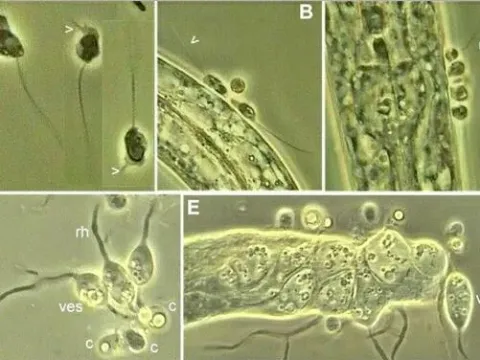
The primary pathogen cycle involves the production of uniflagellated zoospores that move through soil water to locate hosts, typically invertebrates or plant root tissues.
They are characterized by a unique thallus structure, which can manifest as either a simple unicellular form or a branched mycelium-like network within the host.
As obligate or facultative parasites, their biological role is complex, often serving as significant natural regulators of soil-borne nematode populations.
These fungi are known for their resilience, capable of forming thick-walled resting spores that allow them to survive unfavorable environmental conditions for extended periods.
Moisture is the primary driver for the development and spread of Catenariaceae fungi, as their zoospores require a water film for motility in the soil matrix.
The fungi thrive in well-aerated, moisture-rich soils that are abundant in organic matter, providing a stable environment for their host organisms.
Temperature fluctuations directly influence the metabolic rates of these fungi, with most species exhibiting optimal growth during the active vegetative season of crops.
Soil compaction significantly impacts their distribution; while some aeration is beneficial, excessive moisture retention in dense soils can limit the movement of zoospores.
Agricultural practices that increase soil organic carbon can inadvertently favor the presence of these fungi, necessitating careful management of soil fertility programs.
While Catenariaceae are often studied for their biocontrol potential, high concentrations in the soil can sometimes lead to localized root stress in sensitive plant species.
Their activity can alter the microbial balance in the rhizosphere, potentially impacting nutrient uptake efficiency by the crop’s root system.
In intensive farming systems, uncontrolled proliferation can disrupt beneficial soil organisms, leading to long-term soil health degradation.
Visible symptoms may include stunted plant growth, chlorosis, and increased susceptibility to secondary infections due to compromised root integrity.
Assessing the risk posed by these fungi requires a systematic analysis of soil biological activity rather than relying on visible above-ground symptoms alone.
Effective control focuses on integrated pest management (IPM) strategies that promote soil balance rather than the total eradication of soil fungal populations.
Crop rotation remains the most vital tool, as it prevents the buildup of host-specific pathogens and allows for natural stabilization of the soil microbial community.
Improving soil drainage through structural management helps limit the environmental conditions required for zoospores to disperse effectively.
Incorporating organic amendments that discourage pathogen growth while supporting beneficial microbes can significantly reduce the pressure from Catenariaceae.
- Strategic use of soil drainage to reduce excess moisture.
- Implementation of diverse crop rotation cycles.
- Application of bio-rational fungicides to manage excessive populations.