
Catinella
Catinella
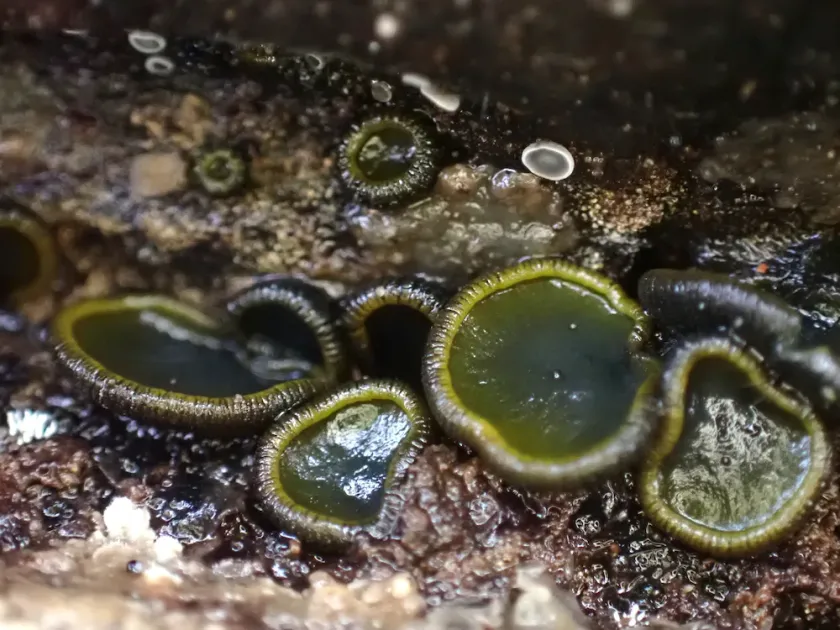
Description
Symptoms
The main sign of infection is the presence of small, dark, or olive-colored fruit bodies that appear in clusters on the bark or wood surface.
Affected bark often loses its normal appearance, becoming discolored, brittle, or beginning to peel away from the underlying wood tissue.
The wood underneath the site of infection may soften and show signs of rot, leading to a loss of structural integrity of the branches.
In the early stages, the disease may be difficult to detect until the apothecia develop and become visible during wet, humid weather conditions.
Branches affected by the fungus may show premature dieback, leading to sparse foliage and visible weakness in the canopy of the tree.
Pathogen
The causative agent of the disease is a fungus from the genus Catinella (most notably Catinella olivacea). It belongs to the Ascomycota division and acts as a wood-decay pathogen or a weak parasite.
The fungus is characterized by the production of small, disc-shaped fruit bodies called apothecia. These are often seen as dark, waxy growths on the surface of bark or decaying wood.
Its life cycle is closely tied to the decomposition of woody substrates. Spores are primarily dispersed by wind and rain, landing on wounded areas of the host plant.
The mycelium of the fungus penetrates deep into the wood tissue, using enzymes to break down lignin and cellulose, which are essential components of wood structure.
Catinella species are often identified as part of a complex of microfungi that contribute to the natural decay of dead or dying branches in both forest and garden environments.
Conditions for development
High humidity and frequent rainfall are the primary environmental drivers for the development and spore germination of Catinella fungi.
Mechanical injuries such as pruning wounds, hail damage, or frost cracks provide necessary entry points for the fungal spores to establish an infection.
Poor aeration in dense, unpruned canopies creates stagnant, humid microclimates that are highly favorable for fungal colonization.
Trees that are already under stress from drought, nutrient deficiency, or pest attacks are more susceptible to the encroachment of wood-decaying fungi.
Temperate climate conditions in spring and autumn facilitate the activity of the mycelium as it colonizes available moist woody tissue.
Why it matters
The primary damage caused by Catinella is the degradation of wood structure, which leads to the weakening and eventual loss of branches.
This weakening makes the tree more susceptible to breaking under stress, such as strong winds or heavy snow, posing a risk to both the plant and surroundings.
Long-term infection can disrupt the tree's vascular system, hindering the transport of water and nutrients, which negatively impacts overall growth and yield.
If left unmanaged, the fungus can spread across the entire orchard, creating a reservoir of inoculum that threatens healthy specimens.
The disease reduces the ornamental value of trees and increases the need for costly maintenance and restorative pruning work.
Protection
The most effective management practice is regular sanitary pruning to remove any dead or infected woody material from the orchard.
Proper wound care is essential; all pruning cuts should be sealed with specialized wound dressing or fungicidal pastes to prevent spore entry.
Maintaining tree vigor through proper irrigation and fertilization ensures that plants have sufficient internal defenses against minor fungal infections.
Cleaning tools with disinfectant solutions between trees is a critical step to prevent the accidental transmission of spores across the site.
- Regular thinning of the canopy to improve ventilation and light penetration.
- Immediate removal and disposal of all infected woody debris.
- Applying copper-based fungicides during the dormant season as a preventive measure.
Discussion
No discussions yet — be the first.