
Catapyrenium pilosellum
Catapyrenium pilosellum
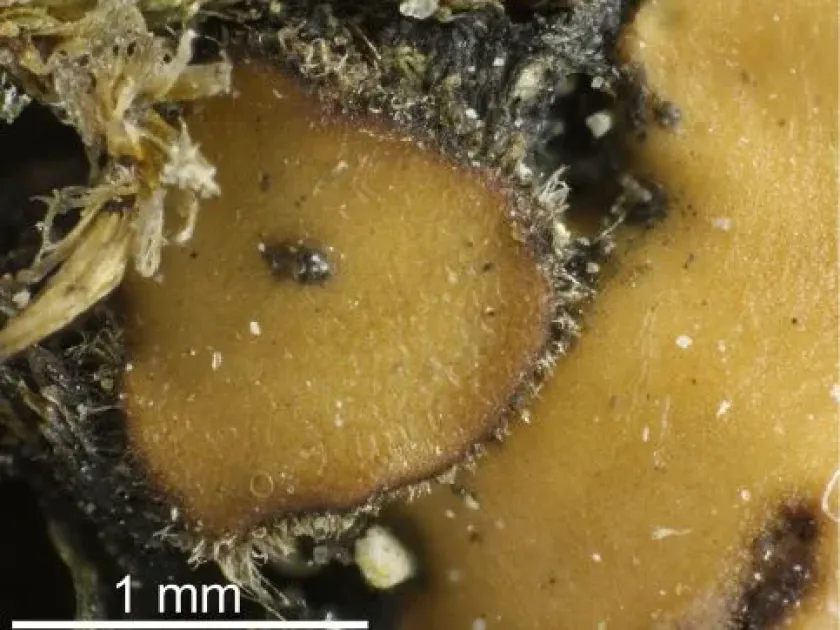
Description
Symptoms
Catapyrenium pilosellum is a species of lichen that may colonize the bark of trees under specific environmental conditions. While it is not a primary parasite, its presence often indicates a decline in the host tree's overall vigor.
The primary symptom is the formation of small, hairy-looking scales on the bark surface. These thalli typically appear in shades of brown or gray, adhering tightly to the substrate.
Upon close inspection, it is evident that these structures form a thin, crusty layer over the bark. This layer can partially obscure the tree's natural surface and disrupt its normal physiological processes.
Signs of colonization are most frequently observed on slow-growing trees or on branches that have been exposed to high humidity and limited sunlight for extended periods.
In mature colonies, the lichen can cover significant portions of the trunk. This creates a distinct visual texture that differs significantly from the healthy, vibrant bark of active trees.
Pathogen
The causative agent is a lichen, a composite organism formed by a symbiotic relationship between a fungus (mycobiont) and an alga or cyanobacteria (photobiont).
This organism is classified as an epiphyte, meaning it uses the host plant only for support. It does not actively extract sap from the tree, unlike true parasitic fungi.
Despite its non-parasitic nature, it reproduces via spores that are dispersed by wind or rain. These spores settle on the bark and, given appropriate moisture, germinate to form a new thallus.
The biology of this species is highly adapted to dormant phases of tree growth. It thrives when the host tree is not actively shedding its outer bark layers.
While it lacks specialized absorption structures, the physical presence of the thallus effectively creates a protective moisture barrier that can alter the local environment on the bark surface.
Conditions for development
High humidity and poor air circulation are the primary drivers of growth. Dense tree canopies that prevent sunlight from hitting the bark create the ideal microclimate for this lichen.
Tree age and bark condition are significant factors; older trees with rough, stagnant bark surfaces provide better attachment sites than young, fast-growing trees.
Environmental pollution and air quality can influence the diversity of lichens in an area, though this species is often noted for its resilience in varying ecological contexts.
Prolonged wet seasons and overcast conditions act as catalysts for the rapid spread of spores throughout an orchard or a wooded area.
Lack of proper management, such as the failure to prune trees, leads to moisture accumulation, which directly facilitates the successful colonization and expansion of the lichen.
Why it matters
The harm caused is largely indirect. By covering the bark, the lichen acts as a barrier, limiting the gas exchange necessary for the tree's bark tissues to function optimally.
The persistent moisture held beneath the thallus provides a harbor for various pests, including scale insects and mites, which can cause direct damage to the plant.
Heavy coverage is often a diagnostic sign that the tree is in a state of stress. The lichen effectively exploits the reduced growth rate of the host to expand its own colony.
In intensive production settings, the presence of these organisms can signal a lack of vigor, which may correlate with lower overall yields and reduced fruit quality.
Secondary fungal infections may also occur in the moisture-rich microenvironments created by the lichen, leading to localized rot or damage to the cambium layer.
Protection
Proper pruning is the most effective management strategy. Opening up the canopy increases light penetration and air movement, creating conditions hostile to lichen growth.
Mechanical removal using stiff-bristled brushes is an effective way to clean the bark. This should be performed during the dormant season to minimize stress to the tree.
Whitewashing tree trunks with lime-based solutions or copper-containing fungicides acts as a strong deterrent against the colonization of spores.
Enhancing tree health through balanced fertilization and adequate irrigation helps the tree maintain a vigorous growth rate, naturally shedding older bark and discouraging lichen attachment.
- Perform regular orchard inspections for early signs of lichen growth.
- Maintain adequate spacing between trees to improve ventilation.
- Remove deadwood, which often serves as a primary source of inoculum.
- Apply preventative fungicide treatments if secondary pathogens are detected.
- Prioritize overall tree vitality through sound agronomic practices.
Discussion
No discussions yet — be the first.