
Catathelasma
Catathelasma
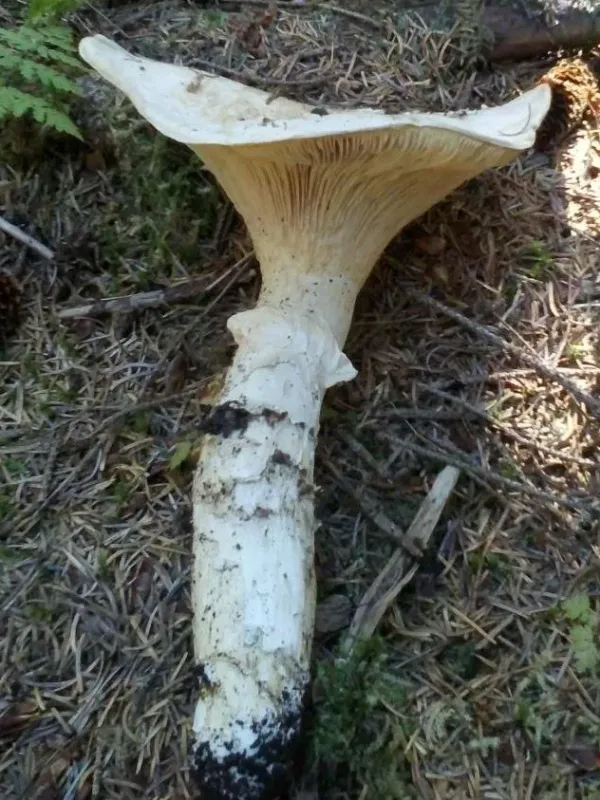
Description
Pathogen
The genus Catathelasma is not a plant disease but represents a group of large, fleshy basidiomycetes belonging to the Tricholomataceae family.
These mushrooms are recognized as essential mycorrhizal partners that establish symbiotic relationships with the root systems of coniferous trees.
From a biological perspective, they function as beneficial soil inhabitants rather than infectious agents that would harm host plants.
Catathelasma imperiale is the most notable species in this genus, often identified by its robust structure and unique subterranean growth patterns.
Understanding their ecology is vital for forest management, as they contribute significantly to the health and nutrient uptake of forest ecosystems.
Conditions for development
The development of Catathelasma mycelium is deeply tied to the availability of healthy forest soils and specific tree hosts, notably spruce and pine species.
Favorable conditions for the emergence of sporocarps include high soil moisture levels, cool air temperatures, and deep layers of organic forest litter.
These mushrooms are commonly found in mountainous regions or cooler temperate forests that support stable mycorrhizal networks.
The seasonal growth typically occurs in late summer or autumn when moisture retention in the soil reaches levels optimal for fungal metabolism.
Soil disturbance, such as compaction or heavy chemical contamination, can disrupt the fragile network required for these fungi to thrive.
Why it matters
Catathelasma species are not phytopathogenic and do not pose any threat to agricultural productivity or plant health.
There is no evidence in scientific literature classifying this genus as a source of plant diseases or crop loss.
Their presence is often indicative of well-preserved soil health and stable ecological conditions in the areas adjacent to forests.
Farmers do not need to concern themselves with controlling this genus, as it plays a neutral or positive role in environmental stability.
The economic impact of these fungi is strictly positive, primarily due to their status as edible mushrooms in many regions of the world.
Protection
As Catathelasma is not a plant disease, no chemical or biological control measures are required, and they should not be treated with fungicides.
Applying pesticides to eliminate these mushrooms would be ecologically counterproductive and could destroy beneficial mycorrhizal populations.
Good agricultural practice promotes the protection of surrounding forest buffers, which support natural biodiversity and soil fungal populations.
Integrated soil management, focused on maintaining natural organic levels, helps preserve the biological integrity of the environment.
- Maintain healthy forest buffers.
- Avoid excessive use of soil sterilants.
- Monitor soil quality through natural bio-indicators.
- Support biodiversity in land management.
Discussion
No discussions yet — be the first.