
Catillariaceae
Catillariaceae
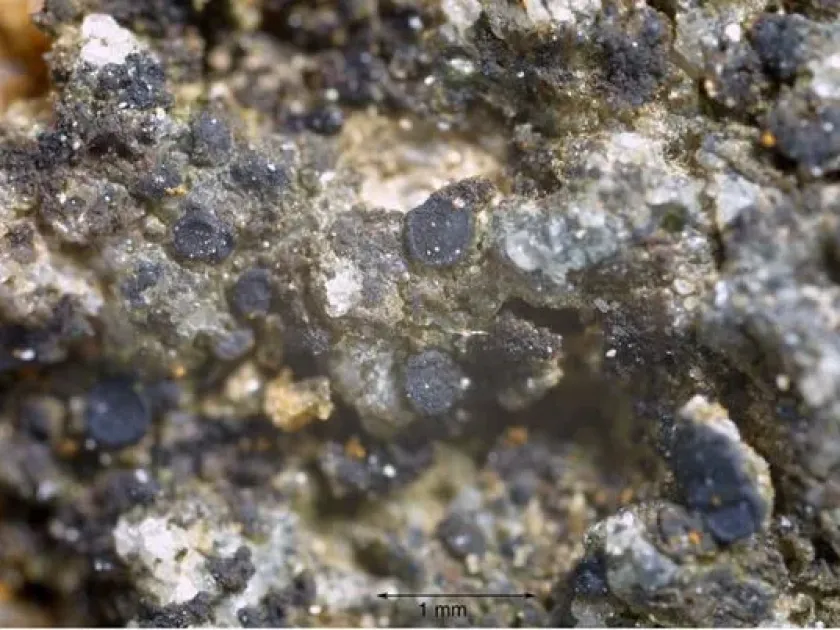
Description
Symptoms
Catillariaceae is a family of lichens that often appear as crusty, granular, or scale-like growths on the bark of trees. While often mistaken for fungal diseases, they are actually epiphytic organisms that use the bark solely as a physical substrate.
The visual signs include grayish, whitish, or brownish patches scattered across the trunk or branches. Unlike pathogenic fungi, these lichens do not invade the living vascular tissues, so they do not cause necrosis or rapid decay of the tree bark.
Small fruiting bodies, known as apothecia, may be visible as tiny, dark-colored discs embedded within the lichen thallus. Their presence is a clear indicator that the tree's surface remains damp for extended periods due to environmental moisture.
These lichens often colonize aging or stressed trees where the bark surface has become weathered and stable. Their presence is frequently a secondary symptom of a tree that is not receiving sufficient maintenance or pruning.
Gardeners should distinguish these harmless epiphytes from dangerous pathogens like bark cankers or fungal fruiting bodies that indicate internal decay or vascular damage to the plant.
Pathogen
Catillariaceae is a family of lichenized fungi belonging to the class Lecanoromycetes. It is essential to clarify that these are symbiotic organisms (fungi living in association with algae or cyanobacteria) and are not parasites in the traditional phytopathological sense.
They do not consume the host plant's nutrients or sap. Instead, they derive their carbon through photosynthesis (via their algal partner) and obtain minerals and water from precipitation and atmospheric moisture.
In agriculture, they are often highlighted in diagnostic guides because they can be confused with infectious diseases. However, biologically, they do not produce enzymes to break down living wood tissue, making them distinct from wood-rotting fungi.
Reproduction occurs through spores released from the apothecia, which are easily dispersed by wind and rain. Once they land on a suitable, moisture-retentive bark surface, they germinate and slowly begin their growth cycle.
They are effectively bioindicators of air quality and microclimatic humidity. Their long-term growth pattern is a testament to the stable, if humid, conditions found in mature orchard environments.
Conditions for development
The development of Catillariaceae is dictated by the availability of moisture. High humidity, frequent fog, and persistent dew are the primary drivers for their establishment and growth on tree surfaces.
Orchards with dense planting patterns or lack of canopy management are highly susceptible, as these conditions inhibit the evaporation of water from the bark. This creates a persistent moisture film necessary for the lichen's survival.
Limited light penetration into the tree canopy further slows the drying process, ensuring that the bark stays moist enough for the lichen spores to colonize and thrive during the spring and autumn months.
Poor sanitation and neglected pruning practices contribute significantly to their spread. Accumulations of organic matter and debris in branch forks provide secondary moisture-retentive surfaces that lichens readily exploit.
Stable, non-polluted air conditions allow these lichens to flourish. Conversely, in highly polluted urban environments, the diversity and abundance of these organisms are typically much lower.
Why it matters
The direct harm to the tree from Catillariaceae is virtually non-existent. They are not pathogenic and do not actively damage the living tissues or structural integrity of the tree.
However, their presence in thick, extensive mats can slightly impede the normal gas exchange of the bark through the lenticels, though this rarely poses a threat unless the coverage is extremely dense.
The most significant indirect problem is the creation of a habitat for insect pests. Scale insects, mites, and their eggs often find refuge beneath the thallus of the lichen, protected from both environmental extremes and chemical insecticide sprays.
In nursery settings, a heavy growth of lichens can be a visual detriment, reducing the perceived quality of the stock and potentially signaling a lack of professional care to potential buyers.
Furthermore, the moisture-retaining nature of the lichen thallus can create a micro-environment that encourages the germination of actual pathogenic fungal spores that can cause diseases like bacterial canker or rot.
Protection
The most effective strategy for managing lichens is to improve orchard aeration. Regular pruning, which opens up the canopy to sunlight and wind, allows the bark to dry out rapidly, preventing lichen establishment.
Mechanical cleaning of the trunk and primary branches during the dormant period using soft-bristled brushes is an environmentally friendly way to remove existing lichen cover without damaging the tree's health.
Applying a lime wash to trunks in the autumn changes the surface pH of the bark, making it significantly less hospitable for lichen colonization. This is a traditional and highly effective maintenance practice.
Copper-based fungicides, often used to prevent fungal diseases, have the secondary benefit of inhibiting lichen growth. It is critical to use these according to the manufacturer's label to ensure tree safety.
- Prune to enhance light and air circulation.
- Mechanically scrub bark during winter dormancy.
- Apply whitewash to the lower trunks.
- Maintain balanced tree nutrition for vigor.
- Monitor and treat for hiding insect pests.
Discussion
No discussions yet — be the first.