
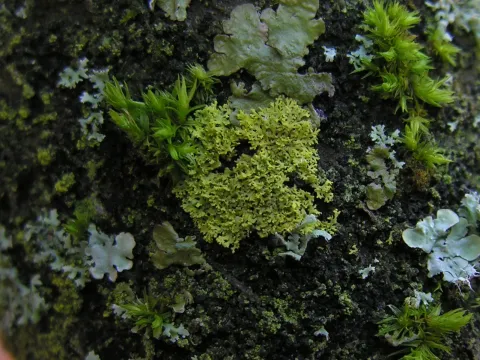
Candelaria
Candelaria
Candelaria is a fungal disease affecting various plant species, caused by pathogens within the Candelaria genus. This fungus functions as a parasite that exploits the metabolic resources of the host plant to support its own growth and reproduction.
What the section contains
Candelaria
The pathogen primarily infects the epidermis and vascular tissue of the plant. Once inside, the mycelium spreads rapidly, utilizing specialized hyphae to penetrate cell walls and draw out essential nutrients from the plant host.
The life cycle involves the production of spores, which are disseminated by wind, rain splashes, or mechanical contact with farming machinery. This ease of transmission contributes to the rapid spread of the disease across agricultural fields.
These fungi are known for their resilience, capable of surviving harsh conditions in the form of dormant spores or sclerotia within the soil or on crop debris left over from previous harvests.
Scientific research is ongoing to understand the genetic adaptability of these fungi. Different strains can demonstrate varying levels of virulence and resistance to common chemical treatments, necessitating constant vigilance.
The most distinctive symptom is the appearance of a pale, wax-like surface growth on leaves and stems, which resembles the appearance of candle residue. This characteristic plaque is where the pathogen produces its spores.
Early infections often manifest as small chlorotic or yellowing spots. As the infection progresses, these spots expand, eventually forming necrotic patches that turn dark brown or even black as the plant cells die.
Stunted growth is a common indicator of infection, as the fungus damages the photosynthetic capacity of the leaves, significantly reducing the plant's ability to produce the energy required for healthy development.
Deformation of plant organs, such as twisting or curling of leaves and the dropping of flower buds, frequently occurs in severe cases. This results in significant physical damage to the plant structure.
In systemic cases, the disease affects the vascular system, causing localized wilting and eventually leading to the death of stems or entire branches due to the restriction of water and nutrient transport.
High relative humidity is the primary catalyst for the development and spread of the disease. Conditions that keep the plant surfaces moist for extended periods favor the germination of fungal spores.
Optimal temperatures for the growth of this pathogen typically range between 18 and 25 degrees Celsius. In these favorable climatic conditions, the incubation period shortens, leading to potential outbreaks.
Poor airflow within dense plant stands creates a microclimate that traps moisture on the foliage, making the environment highly susceptible to rapid fungal colonization.
Nutritional imbalances, particularly over-application of nitrogen, create succulent plant tissues that are more susceptible to fungal entry. A well-balanced fertilization program is crucial for maintaining plant robustness.
Inadequate sanitation practices, such as failing to remove infected plant debris, maintain a high inoculum pressure in the field, increasing the likelihood of reinfection in subsequent growing seasons.
The economic impact of Candelaria is significant, primarily due to the reduction in yield volume and quality. Harvested fruits and vegetables often display unsightly marks, rendering them unsuitable for sale.
Losses are compounded by the reduced sugar content and poor flavor profile of infected crops, which diminishes their market value and makes them less desirable for both consumers and food processors.
Perennial crops suffer from long-term damage, as the weakened plant is less capable of accumulating the winter reserves necessary for cold hardiness, leading to higher rates of winter mortality.
The increased reliance on chemical fungicides to manage outbreaks adds significant costs to the production cycle, potentially threatening the financial viability of farming operations.
Secondary infections, such as soft rots, frequently attack the weakened tissues of Candelaria-infected plants, leading to rapid degradation of produce during storage and transportation.
The cornerstone of management is the implementation of a diverse crop rotation strategy. By avoiding the planting of susceptible crops in close succession, farmers can significantly reduce the soil-borne inoculum.
Field sanitation, including the destruction or deep incorporation of crop residues, is essential to disrupt the overwintering cycle of the fungus and reduce future infection risks.
Selecting resistant varieties provides the most sustainable defense against the disease. Breeders focus on developing plant lines that possess natural physiological defenses against specific fungal strains.
Chemical control involving timely fungicide applications can manage active infections. It is recommended to follow an integrated pest management approach, rotating fungicides with different modes of action to prevent resistance.
Optimal crop management practices, such as proper plant spacing to ensure air circulation and balanced fertilization, are vital for creating a robust environment that supports natural plant immunity.