
Candelabrochaete septocystidia
Candelabrochaete septocystidia
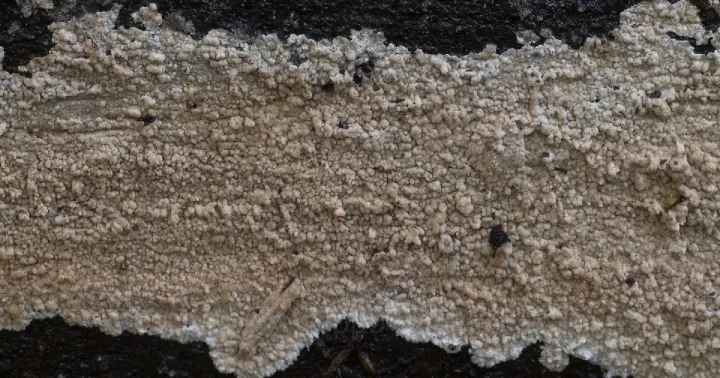
Description
Pathogen
Candelabrochaete septocystidia is a species of basidiomycete fungus within the Hymenochaetales order. In agronomic and forestry sectors, it is primarily identified as a wood-decaying fungus that acts as a saprotroph in woodland ecosystems.
The pathogen belongs to the corticioid fungi group, characterized by the formation of resupinate (crust-like) fruiting bodies on the surface of woody substrates. Its scientific name is derived from the presence of specific septated cystidia in the hymenium.
While not a primary parasite of agricultural crops, it plays a vital role in the decomposition of lignin and cellulose within forestry environments. Its biological cycle is closely tied to the breakdown of organic matter derived from dead or decaying wood.
The fungus colonizes the surface of tree bark and inner wood tissue. Its mycelium can persist in the environment for extended periods, drawing nutrients from woody substrates and maintaining viability even under fluctuating environmental conditions.
Under certain circumstances, it may act as a facultative pathogen. When tree defenses are compromised due to mechanical injuries or frost cracks, the fungus can invade the vascular tissues, potentially causing long-term health decline in the affected host.
Conditions for development
Candelabrochaete septocystidia thrives in environments with high humidity and limited direct sunlight. Such microclimates are frequently found in the lower strata of forests or in poorly ventilated orchard windbreaks.
Optimal temperatures for mycelial growth range between 15°C and 22°C. During warm and rainy seasons, the fungus produces fruiting bodies that release spores, which are then disseminated by air currents across large distances.
The accumulation of dead wood in the vicinity of healthy trees provides a continuous substrate for the fungus, facilitating its expansion. The presence of dense, unmanaged vegetation often creates the stagnant moisture conditions necessary for spore germination.
Agricultural practices that result in soil waterlogging or canopy closure without proper pruning contribute significantly to the proliferation of this fungus. Areas with poor air circulation are particularly prone to high infection pressure.
Seasonal dynamics are strongly correlated with rainfall patterns. Increased fungal activity is typically observed during spring and autumn, when moderate temperatures coincide with high moisture levels on the surface of tree bark.
Why it matters
The primary harm caused by Candelabrochaete septocystidia is the initiation of white rot, which degrades the internal structure of wood. This destruction of wood fibers significantly reduces the mechanical stability of tree trunks and branches.
In forest management, the fungus is considered a degrading agent that lowers the economic value of timber. Once wood is colonized, it loses its structural integrity and becomes brittle, making it unsuitable for construction or high-quality material use.
In nurseries, the presence of the pathogen poses a risk to young seedlings. Spores landing on fresh pruning cuts can lead to infections that weaken the young plants, potentially resulting in localized stem necrosis or stunted growth.
- Decline in timber quality and value.
- Increased risk of windthrow due to structural weakness.
- Destabilization of wood-based windbreaks.
- Interference with tree vascular functions if the infection spreads.
Although the fungus is predominantly saprotrophic, its ability to colonize wounded tissues makes it a threat to the long-term phytosanitary state of tree populations. It effectively accelerates the decomposition process, which can be detrimental if not managed correctly.
Protection
Management of Candelabrochaete septocystidia relies heavily on rigorous sanitary practices. Removing fallen wood, dead branches, and decaying logging residue is the most effective way to eliminate the fungal food base.
Preventing mechanical damage to tree bark is crucial. Applying wound sealants or fungicidal pastes to pruning cuts and accidental injuries prevents spores from germinating and entering the internal tissues of the tree.
Ensuring proper spacing and canopy ventilation in orchards or plantations reduces humidity levels. Maintaining a dry, well-aerated environment makes it difficult for the fungus to establish and colonize new substrates.
Where necessary, chemical control involves the application of systemic fungicides effective against basidiomycete pathogens. Such applications must be conducted with care to ensure they comply with local environmental regulations and forestry protocols.
Biological control methods involve utilizing antagonistic fungi that outcompete Candelabrochaete septocystidia for space and nutrients. This approach promotes a balanced forest microbiome and provides a sustainable way to manage wood-decaying organisms in the ecosystem.
Discussion
No discussions yet — be the first.