
Camaropella lutea
Camaropella lutea
The disease is caused by the ascomycete fungus Camaropella lutea. This pathogen is known to colonize the bark and cambial tissues of various deciduous trees, functioning as a necrotrophic parasite that breaks down structural components of the host plant.
What the section contains
Camaropella lutea
The fungus produces spores that serve as the primary means of dispersal. These spores can remain viable on dead plant matter and infected bark, facilitating the spread of the disease across orchards or forest areas via wind and rainwater.
Biologically, Camaropella lutea is adapted to breaking down lignin, which allows it to thrive in the woody tissues of stressed trees. Its growth leads to the degradation of the vascular system, effectively cutting off the plant's nutrient flow.
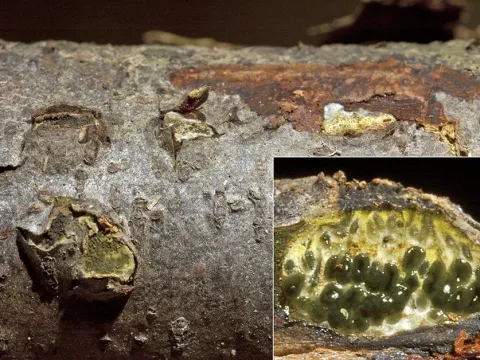
The pathogen is characterized by distinct yellowish fruiting bodies that emerge through the bark surface. This visual feature is a critical indicator for plant pathologists when diagnosing an active infection in the field.
The fungus undergoes a seasonal cycle where it remains dormant during unfavorable winter conditions. With the return of warmer spring temperatures, the mycelium resumes its activity, producing new spores for further infection.
The primary symptom of infection is a localized discoloration of the bark, where the tissue loses its typical texture. Small, yellow-colored fruiting bodies appear on the surface as the fungus begins to colonize the area.
As the infection progresses, the bark becomes brittle, dry, and prone to splitting. In severe cases, the bark may peel away from the wood, exposing the cambium to further environmental stress and secondary pathogen invasion.
Internal tissue examination reveals necrotic areas beneath the bark, often characterized by dark staining or discoloration. This destruction of the vascular system inhibits the tree’s ability to transport water and minerals effectively.
The canopy often reflects the systemic stress of the tree through chlorosis, premature wilting, and leaf drop. These symptoms are clear indicators that the tree's health is severely compromised by the ongoing fungal growth.
If left untreated, the infected areas increase in size and number, potentially girdling branches. This prevents the flow of nutrients to the outer extremities, eventually leading to the death of affected branches.
The development of Camaropella lutea is heavily influenced by the physiological status of the host tree. Trees suffering from environmental stress, such as prolonged drought or physical injury, are significantly more susceptible to colonization.
High humidity and consistent rainfall are key environmental factors that promote the germination and spread of fungal spores. These conditions allow the fungus to penetrate the bark more easily and establish a foothold.
Mechanical damage caused by maintenance activities, windstorms, or insect activity provides a direct entry point for the fungus. These wounds allow the pathogen to bypass the tree's natural protective layers.
Poor orchard or garden hygiene, such as the accumulation of dead branches, increases the local spore load. Overcrowded planting arrangements that restrict airflow create a stagnant microclimate conducive to rapid infection spread.
Optimal temperatures for the fungus range between 15°C and 25°C. During these conditions, mycelial growth and spore production are at their peak, making it the most critical time for preventative management.
The main danger posed by Camaropella lutea is the gradual decline and eventual death of the affected plant. The structural integrity of branches is compromised, making the tree a hazard in public or residential areas.
Economic damage includes the loss of productive capacity in fruit-bearing trees and a decrease in the quality of timber in forested areas. The aesthetics of ornamental trees are ruined, reducing their value significantly.
The infection can become chronic if not addressed early, leading to a long-term decline in the tree's vigor. This makes the host tree an ongoing source of infection for surrounding healthy individuals.
Secondary infections often take advantage of the compromised tree, accelerating its decline. Once the bark is breached, the tree loses its defense mechanism, making it difficult to rehabilitate without intensive care.
The cost of managing a mature tree with an advanced infection is high, and often the tree must be removed entirely to protect the surrounding environment. Early detection is essential to minimize these losses.
Effective control begins with strict sanitary practices, such as the removal and immediate incineration of all infected plant materials. This significantly reduces the inoculum level in the immediate vicinity.
Infected areas on the trunk or large branches should be surgically cleaned by removing the diseased bark down to the healthy wood, followed by the application of antifungal treatments to prevent reinfection.
Maintaining high horticultural standards is crucial for prevention. Providing balanced fertilization, proper irrigation, and adequate pruning helps the tree sustain its natural defenses against fungal pathogens.
Preventative fungicide applications on the trunk and bark during the dormant season can create a barrier against new spore colonization. This is especially useful in areas with a history of fungal outbreaks.
Selecting disease-resistant species or cultivars for new plantings is a long-term management strategy. Proper spacing and site selection help ensure good aeration, minimizing the risk of fungal growth.