
Camarophyllopsis hymenocephala
Camarophyllopsis hymenocephala
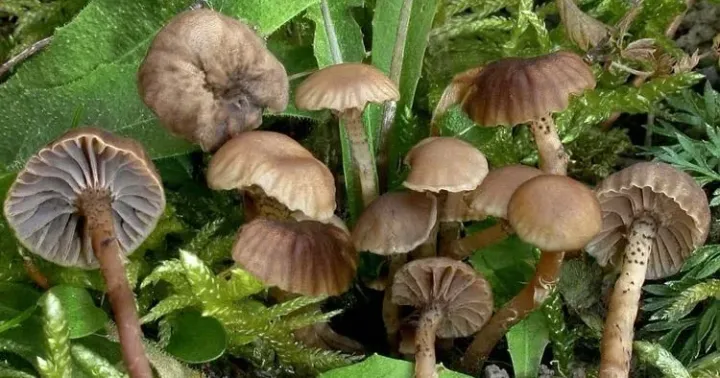
Description
Pathogen
The causative agent is the fungus Camarophyllopsis hymenocephala, which belongs to the Hygrophoraceae family. This organism is typically associated with soil decomposition but can act as a pathogen under conditions of plant stress.
Biologically, it is a basidiomycetous fungus that thrives in the soil and leaf litter. It functions as a facultative parasite, capable of invading weakened roots and decaying organic matter simultaneously.
The mycelium of the fungus penetrates the root tissue, utilizing enzymes to break down cell walls. This action disrupts the normal uptake of nutrients and moisture, directly impacting the host plant’s development.
Studies indicate that this fungus is often found in moist, organic-rich environments. Its ability to switch between saprotrophic and parasitic modes makes it a persistent threat in soil management.
The life cycle involves the production of fruiting bodies that release spores. These spores can persist in the soil for extended periods, waiting for environmental conditions conducive to germination and colonization.
Conditions for development
Development is primarily driven by high soil moisture levels and moderate temperatures. The fungus thrives in shaded, poorly aerated areas where excess water remains in the root zone.
Periods of prolonged rainfall create the waterlogged conditions necessary for the pathogen to become active. Poorly drained soils are especially susceptible to infestation by this fungus.
Transmission occurs through contaminated soil, unsterilized gardening tools, and irrigation water. Any movement of soil from an infested area to a healthy one poses a significant risk of spread.
Temperatures ranging from 15°C to 22°C are optimal for mycelial expansion. Deviations from these temperatures may slow growth, but the fungus remains resilient in the form of dormant structures.
Over-fertilization, particularly with nitrogen, can alter soil pH and microbial balance, often inadvertently creating favorable conditions for fungal growth and reducing the plant's natural defenses.
Why it matters
The damage caused by this pathogen is mainly systemic, affecting the root architecture and causing general decline in plant vigor. Infected plants show stunted growth and poor foliage development.
Yellowing leaves and premature wilting are common clinical signs, even when irrigation is sufficient. This indicates that the roots can no longer transport water effectively due to fungal damage.
In severe cases, root necrosis occurs, leading to the total collapse of the plant. This loss of root integrity often invites secondary bacterial infections that exacerbate the damage to the host.
Crop yields suffer both in quantity and quality. The degradation of roots prevents the plant from maturing properly, resulting in underdeveloped or poor-quality harvests across entire plots.
The persistence of the pathogen in the soil makes it difficult to recover affected areas. Long-term productivity is compromised, often requiring strict quarantine or intensive soil treatment protocols.
Protection
Crop rotation is the most effective preventative strategy. Avoiding the cultivation of sensitive plant species in known infested soil helps break the pathogen's life cycle.
Improving drainage is critical to preventing the waterlogged conditions that this fungus prefers. Regular soil aeration can also help manage the humidity levels in the rhizosphere.
Biological control, specifically the application of Trichoderma species, has shown promise in suppressing the growth of Camarophyllopsis hymenocephala by competitive exclusion.
Sanitation practices, such as disinfecting all garden tools after use and removing infected plants with their surrounding soil, are essential for containing localized outbreaks.
Strengthening plant immunity through balanced fertilization—emphasizing potassium and calcium—can help plants withstand potential fungal attacks and recover more effectively from environmental stress.
Discussion
No discussions yet — be the first.