
Calyptella
Calyptella
Description
Symptoms
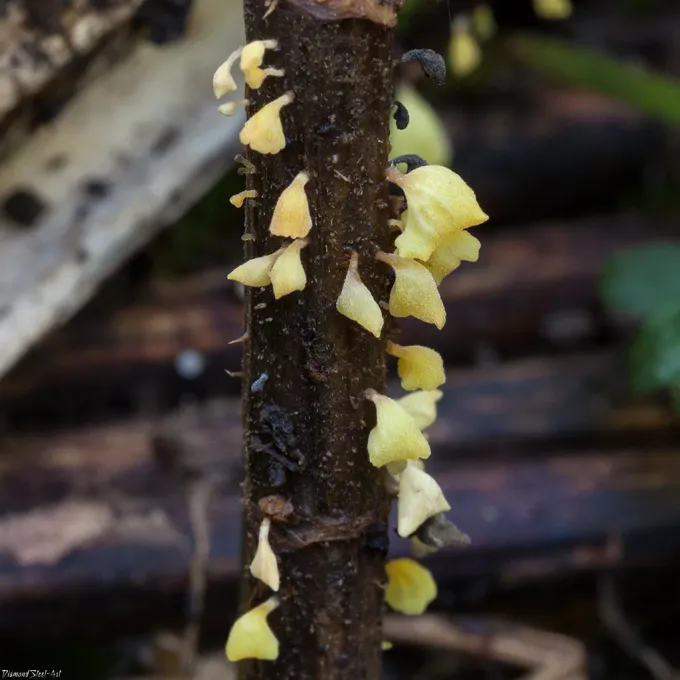
The most visible sign of infection is the emergence of small, cup-like fungal structures on stems, petioles, or decaying leaves.
Affected tissues typically turn yellow or pale before developing necrotic lesions that eventually become soft and mushy.
Plants often exhibit stunted growth and loss of vigor as the fungus interferes with normal physiological processes.
In humid conditions, a visible growth of mycelium may surround the base of the infected areas.
- Cup-shaped fungal fruiting bodies on stems.
- Yellowing and chlorosis of leaves and stems.
- Soft, necrotic spots on plant surfaces.
- Wilting of individual stems or branches.
Pathogen
The genus Calyptella includes small basidiomycete fungi that primarily act as saprotrophs but can behave as opportunistic pathogens on weakened plants.
These fungi are characterized by tiny, cup-shaped or bell-shaped fruiting bodies that develop on decaying or stressed organic matter.
As pathogens, they exploit structural vulnerabilities in plant tissues to establish their mycelial network.
The fungus reproduces through spores, which are disseminated by moisture, wind, or agricultural activity.
Once established, the mycelium secretes enzymes that break down plant cell walls, leading to tissue softening and necrosis.
Conditions for development
High relative humidity and stagnant air are the primary catalysts for the colonization and spread of Calyptella.
Temperatures ranging from 18°C to 25°C promote optimal fungal activity and rapid sporulation.
Presence of free water on plant surfaces, resulting from dew or excessive irrigation, significantly accelerates infection.
Poorly ventilated growing environments, such as dense greenhouse canopies, favor the persistence of the pathogen.
Weakened plant health, caused by nutrient deficiencies or mechanical damage, makes the crop highly susceptible to this fungus.
Why it matters
Calyptella inflicts damage by reducing the photosynthetic capacity of the plant through tissue degradation.
Structural damage to stems can cause lodging or breakage, directly impacting the integrity of the crop.
Infection of fruit or flowers can lead to significant yield losses and lower the market quality of the harvest.
The fungus acts as a pathway for secondary infections by opportunistic bacteria and other aggressive fungi.
Persistent infestations in nurseries can result in the loss of entire plant batches if not managed effectively.
Protection
Good sanitation practices are essential, including the removal and destruction of all infected plant debris.
Improving airflow through proper spacing and pruning reduces humidity around the foliage and stems.
Monitoring for early signs of the disease allows for quick isolation and treatment of infected areas.
Systemic fungicides are recommended to protect the crop during periods of high humidity and risk.
Balanced fertilization helps maintain plant vigor, allowing the crop to better resist fungal infections.
Discussion
No discussions yet — be the first.