
Calycina herbarum
Calycina herbarum
Description
Symptoms
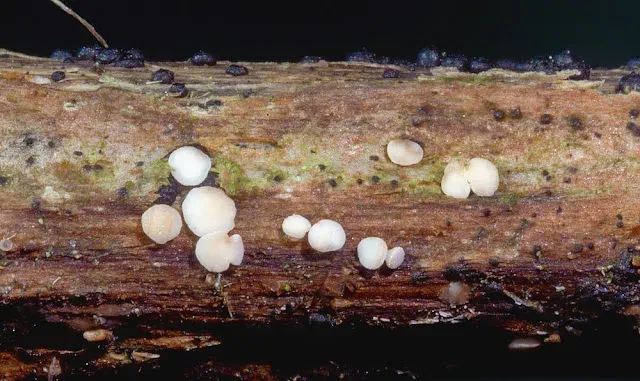
The most visible symptom is the appearance of numerous small, disc-like fruiting bodies on the surface of stalks, stems, or petioles of the host plant.
Affected tissues typically turn brown or discolored, losing their natural structural integrity as the fungus secretes enzymes to break down the plant cell walls.
In advanced stages, stems become fragile and brittle, which may lead to the physical collapse of the plant during windy or rainy periods.
While the apothecia are the primary sign, microscopic analysis often reveals the underlying mycelial network penetrating deep into the cortical tissue of the plant.
The presence of these fruiting bodies is often most noticeable in the lower parts of the plant canopy where humidity remains consistently high.
Pathogen
The pathogen responsible for this condition is the fungus Calycina herbarum (formerly Pezizella herbarum), which belongs to the class Ascomycetes.
This fungus primarily functions as a saprotroph, decomposing plant tissue, but it can behave as a weak parasite on weakened or damaged plant stalks.
The fungus produces small, cup-shaped fruiting bodies known as apothecia. These are typically cream-colored or yellowish and are key to its reproductive cycle.
It overwinters on plant debris and within the soil as mycelium or fruiting bodies, remaining dormant until weather conditions trigger the release of spores.
Transmission occurs through airborne spores or water splashes, which land on susceptible plant surfaces and germinate under high humidity.
Conditions for development
Calycina herbarum thrives in environments with high humidity levels and frequent rainfall, which are essential for the maturation of the fruiting bodies.
The fungus prefers mild temperatures, often showing peak activity during wet spring or autumn weather, which facilitates successful colonization.
Large accumulations of crop residues on the soil surface serve as the primary reservoir for the fungus, allowing it to persist from one season to the next.
Poor airflow within dense crop stands promotes high local humidity, creating a microclimate that strongly favors the spread of the pathogen.
Lack of crop rotation or poor soil management practices results in a build-up of the fungal inoculum, increasing the risk of infection in subsequent years.
Why it matters
The primary damage is caused by the physical degradation of structural stem tissues, which impairs the plant's ability to remain upright and transport nutrients.
Severe infestations can lead to significant yield reductions, as the metabolic processes of the plant are disrupted by the fungal invasion.
By compromising the plant's physical barriers, the fungus facilitates secondary infections by more aggressive bacteria and pathogens, leading to complex rot issues.
Premature senescence and death of stems can hinder proper grain filling or fruit development, ultimately lowering the quality of the harvested product.
Field losses due to lodging and decay directly impact the profitability of the crop and complicate the harvesting process for farmers.
Protection
Effective management begins with deep tillage, which buries plant debris and significantly slows down the survival rate of the fungus in the soil.
Implementing a diverse crop rotation cycle is essential to break the infection chain and prevent the fungus from building up in the field.
Applying preventative fungicides, especially when environmental conditions are conducive to fungal growth, helps keep pathogen populations in check.
Managing plant density and controlling weeds improves ventilation around the lower stems, reducing the humidity levels required by the fungus to fruit.
- Destroying volunteer plants that may harbor the fungus between seasons.
- Using biological decomposition agents to break down crop residue rapidly.
- Maintaining proper soil nutrient balance to ensure strong and healthy plant growth.
Discussion
No discussions yet — be the first.