
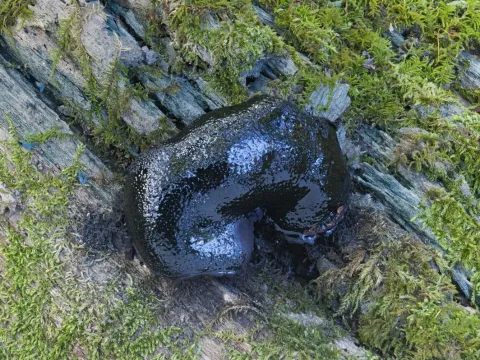
Camarops
Camarops
The genus Camarops consists of ascomycetous fungi within the class Sordariomycetes. These fungi are recognized as significant wood-decay agents affecting various woody plant species.
What the section contains
Camarops
The pathogen colonizes the xylem, feeding on woody tissues. Through the secretion of specific enzymes, it breaks down the structural components of the tree, primarily lignin, causing decay.
The fungus develops dense, carbonaceous stroma that erupt through the host's bark to release spores. This reproduction mechanism ensures the wide dispersal of the fungus via wind and air currents.
It acts as a necrotrophic parasite, thriving on weakened or damaged plant tissues. Once established, the mycelium can persist within the woody matrix for several years.
Biological research indicates that these fungi play a vital role in nutrient cycling in natural forests, but in managed landscapes, they are classified as harmful pests to be monitored.
The most visible symptom is the appearance of dark, charred-looking stromata on the bark of infected branches or trunks. These structures often signify an advanced stage of infection.
Internally, the wood undergoes a transformation characterized by white rot, where the structure becomes light, fibrous, and fragile. The wood may lose its ability to support the weight of the tree.
Affected trees often show signs of canopy decline, including yellowing leaves and premature leaf shedding. These symptoms reflect the reduced ability of the tree to transport nutrients.
Under the bark, one might find white or dark mycelial mats that indicate the extent of the fungal penetration into the sapwood and heartwood.
- Appearance of black, crust-like stromata on the trunk.
- Soft, decayed wood texture (white rot).
- General decline in tree vigor and health.
- Increased risk of branch failure during storms.
High humidity and moisture are primary catalysts for the growth and spore germination of Camarops. The fungus thrives in environments where wood remains consistently damp.
Mechanical injuries caused by pruning, storms, or pests act as the main entry points for fungal spores. Trees with open wounds are significantly more susceptible to colonization.
Dense planting schemes that prevent airflow contribute to a microclimate favorable for fungal spread. Lack of proper sanitation in such areas allows the disease to flourish.
Moderate temperatures during spring and autumn provide the optimal range for the expansion of the fungal colony within the woody tissues.
Neglected deadwood or debris left under trees can act as a reservoir, harboring the fungus and allowing it to jump to nearby healthy or stressed specimens.
The primary concern is the loss of structural integrity. Trees infected by Camarops often become hazardous, posing a risk of collapse to structures and people.
In forestry and arboriculture, this leads to significant economic loss as the timber loses its structural quality and the tree loses its aesthetic and ecological value.
Continued infection weakens the tree's immune system, making it vulnerable to secondary infections or secondary pests, which can accelerate the death of the tree.
The disease spreads progressively through the landscape if infected wood is not managed properly, potentially impacting entire tree collections or orchards.
Once the decay reaches the main trunk, the tree's survival is usually compromised, and removal of the tree is often the only remaining safety option.
Rigorous sanitation involves the removal and destruction of all infected wood. Infected branches should be pruned back to clean, healthy wood to prevent further spread.
Strict disinfection protocols for all pruning tools are mandatory. Tools should be sanitized between cuts to avoid cross-contamination of healthy trees.
Applying wound dressings or sealants to major cuts can help prevent spores from entering the tree while the wound is healing, although this is secondary to proper tree health.
Maintaining high tree vigor through correct fertilization, appropriate watering, and avoiding soil compaction helps the tree build a natural defense against the infection.
Proactive monitoring of high-value trees in susceptible areas is essential. Early detection of bark abnormalities can allow for intervention before deep wood decay occurs.