
Calosphaeriaceae
Calosphaeriaceae
Calosphaeriaceae is a family of fungi within the order Calosphaeriales, recognized for causing wood diseases in various woody plants. These fungi often function as opportunistic pathogens that target stressed or injured hosts.
What the section contains
Calosphaeriaceae
The pathogens colonize the xylem of the plant, causing degradation of the wood structure. Through their metabolic activity, they disrupt the transport of water and nutrients, leading to the progressive dieback of branches and stems.
The life cycle involves the formation of perithecia, which are small, flask-shaped structures embedded in the bark. They feature elongated necks that facilitate the ejection of spores into the air, allowing for effective dispersal.
These fungi are noted for their high environmental resilience. They can persist as saprotrophs in dead wood for long periods, acting as a constant source of inoculum for healthy trees nearby.
Calosphaeriaceae species frequently form complexes with other wood-decaying fungi. This synergy often accelerates the decline of the host tree, making the disease process more aggressive and harder to manage.
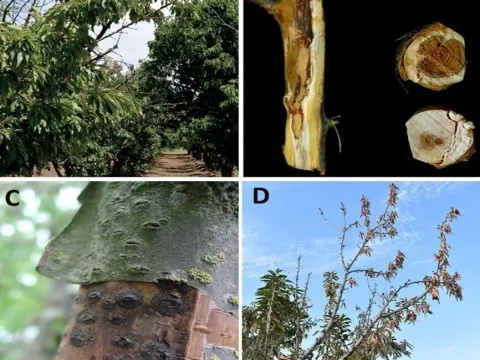
The initial signs of infection often manifest as yellowing and subsequent wilting of leaves on specific branches. Over time, these branches become necrotic and die, a condition often described as "flagging" in tree canopies.
Examination of the bark typically reveals dark, sunken necrotic lesions. Beneath these areas, the wood often displays significant browning or decay, indicating the fungal invasion of the internal tissues.
Gummosis, or the oozing of sap from the bark, is a common symptom as the tree attempts to seal off the infection site. While this is a defense mechanism, it does little to halt the progression of the fungal mycelium.
Tiny exit holes may be visible on the surface of the bark, corresponding to the emergence points of the fungal perithecia. These are especially noticeable following periods of high humidity or rainfall.
Cross-sections of affected branches often show irregular, wedge-shaped, or mottled staining in the xylem. This diagnostic color change differentiates the diseased tissue from healthy, lighter-colored wood.
High humidity and moisture are primary drivers for spore release and germination. Rain splash is the most common method by which the fungus travels from infected bark to fresh pruning wounds or natural cracks.
Trees weakened by environmental stressors, such as severe cold (frost cracks), drought, or mechanical damage, are significantly more susceptible to colonization by Calosphaeriaceae species.
Poor orchard sanitation is a leading factor in the spread of the disease. Using unsterilized pruning tools between trees ensures the transfer of spores from infected woody tissue to healthy hosts.
Dense planting patterns that limit airflow and sunlight penetration create a humid microclimate within the canopy. These conditions are ideal for the development and establishment of fungal pathogens on the bark.
The susceptibility of the plant varies with its overall vigor. Proper nutrition and water management help trees maintain a strong immune response, making them less attractive to opportunistic fungal invaders.
The presence of Calosphaeriaceae results in a gradual decline in tree productivity. The loss of scaffold branches reduces the leaf surface area, which directly leads to lower fruit yields and poor quality harvests.
Severe infections can eventually lead to the death of the entire tree. This necessitates the removal of affected plants, creating significant economic losses for commercial growers and homeowners alike.
The decay of the internal wood structure reduces the structural integrity of the tree, making it prone to breakage during high winds. This poses a safety risk in residential areas and public parks.
Trees infected with these fungi are often more susceptible to secondary pests. Wood-boring insects frequently target trees that are already weakened by fungal wood decay, accelerating the tree's demise.
The loss of tree aesthetic value is a major issue for nurseries. Infected stock may not show obvious symptoms immediately, leading to the distribution of latent infections that can devastate new planting sites.
Strict sanitation is the foundation of control. All infected or dead branches must be pruned back to healthy wood, ensuring that no fungal structures remain in the orchard or nursery environment.
Disinfection of pruning tools is mandatory. Using a 70% alcohol solution or a household bleach dilution between each cut prevents the transmission of spores from tree to tree.
Proper wound care is essential. Large pruning cuts should be sealed with appropriate wound paints or fungicides to protect the exposed xylem from colonization by opportunistic fungi until the tree can callous over.
Maintaining tree vigor through balanced fertilization and adequate irrigation is crucial. Healthy trees are better equipped to produce antifungal compounds that naturally limit the growth of pathogens.
In cases of high disease pressure, preventative fungicide applications may be warranted. These should be timed to coincide with high-risk periods, such as rainy weather, to prevent the successful germination of spores on the bark.