
Calvatia
Calvatia
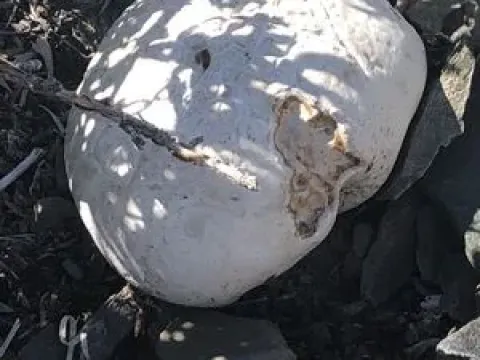
The presence of Calvatia species is primarily identified by the emergence of distinctive globose or pear-shaped fruiting bodies on the soil surface.
What the section contains
Calvatia
Young specimens typically appear white with a smooth or finely textured exterior, which gradually turns brownish as they mature and begin to age.
When the outer skin ruptures, it reveals a fine, powdery mass of spores that can easily be dispersed by wind across large agricultural areas.
Farmers often notice circular patterns of mycelial growth, commonly known as fairy rings, which may indicate zones where soil nutrient balance is altered.
In mature stages, the fruiting body releases a cloud of olive-brown spores, marking the completion of the reproductive cycle of the fungus.
These fungi belong to the family Agaricaceae, classified as Calvatia, and function mainly as soil-dwelling saprotrophs in agroecosystems.
Biologically, they are basidiomycetes that propagate through a complex underground network of mycelium, drawing nutrition from organic matter.
The mycelium can remain dormant in the soil for extended periods, waiting for suitable environmental conditions to initiate the production of fruiting bodies.
Reproduction is achieved through massive spore production, which ensures the survival and colonization of new substrates in the field.
While not typically considered primary plant pathogens, their presence indicates high levels of decomposing organic matter in the soil profile.
The development of Calvatia is highly favored by periods of high soil moisture and moderate temperatures, typically occurring in late summer and autumn.
Areas rich in non-decomposed organic matter, such as manure or crop residues, provide the ideal substrate for rapid mycelial expansion.
Poor soil aeration caused by compaction creates a specific microenvironment that supports the successful growth of the fungal vegetative body.
Frequent rainfall following dry spells acts as a significant trigger for the sudden emergence of numerous fruiting bodies on the field surface.
Soils with low pH or inadequate drainage are particularly susceptible to colonization by these fungi, impacting the local microbial balance.
The primary concern is the competition for nutrients and space, as the expanding mycelium can deplete essential resources in the root zone.
The presence of dense fungal networks can interfere with the normal development of plant root systems by modifying the immediate soil environment.
Aesthetic damage and potential marketability issues may arise if fungal spores contaminate the harvest or the surface of sensitive crops.
The formation of large fungal rings can lead to localized growth inhibition, reducing crop uniformity and overall agricultural yield.
Dealing with widespread spore contamination requires additional labor and logistical effort to clean the soil surface and sanitize the affected areas.
Deep tillage is one of the most effective mechanical methods to destroy the mycelial network and prevent the fungus from establishing a firm foothold.
Immediate removal and safe disposal of young fruiting bodies is essential to prevent the mass dispersal of spores across the farm.
Implementing crop rotation strategies can help deplete the available organic food sources that these saprotrophic fungi depend on for survival.
Improving soil aeration and drainage, alongside monitoring soil pH, can significantly decrease the risk of future fungal outbreaks on the land.
In cases of severe infestation, the application of approved fungicidal treatments may be considered to manage the fungal activity in the soil.