
Caloscypha
Caloscypha
Description
Symptoms
The primary symptom of infection is the appearance of a white or grayish, fuzzy mycelial growth covering the surface of the seeds buried in the soil or substrate.
Infected seeds become soft, discolored, and lose their firmness. When dissected, the internal tissues often appear water-soaked, necrotic, and completely rotted, rendering the seed unable to germinate.
Nursery beds infested with the fungus exhibit poor emergence, characterized by patchy growth or total failure of the seedlings to sprout, as the seeds are often destroyed before germination is completed.
In humid conditions, the mycelium may spread across the soil surface, forming thin, web-like strands that can coalesce into denser mats, eventually leading to the formation of characteristic orange apothecia.
Early diagnosis can be difficult because the symptoms are initially restricted to the underground portion of the seed, making it hard to detect the problem until after stand establishment failure.
Pathogen
The disease is caused by the fungus Caloscypha fulgens, an ascomycete. It primarily acts as a saprophyte on organic matter in forest soils, but when conifer seeds are introduced into the soil, the fungus can switch to a pathogenic mode, infecting the seeds.
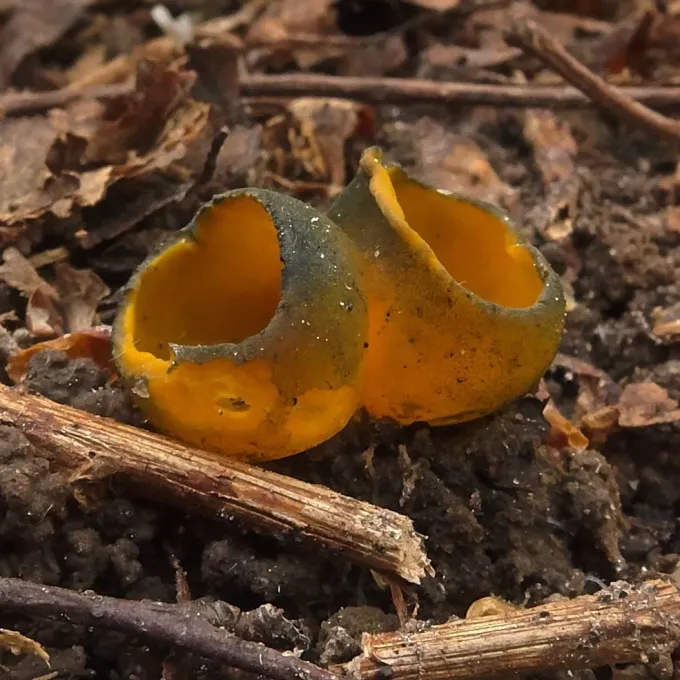
The fungus produces distinctive, bright yellow to orange, cup-shaped apothecia on the soil surface. These structures release spores that serve as primary inoculum for the infection of seeds, both in storage and after sowing in the nursery beds.
The mycelium of Caloscypha fulgens is persistent and can remain in the soil for several years, utilizing organic residues as a food source until a susceptible host, such as a germinating seed, is available.
Upon contact with the seed, the fungus secretes specialized enzymes that break down the seed coat and penetrate the inner tissues, effectively killing the embryo before it can emerge from the soil.
The biological success of this fungus is attributed to its ability to colonize various types of organic debris, ensuring it remains an omnipresent threat in nursery environments.
Conditions for development
Cool and wet soil conditions are the most critical factors favoring the development of the disease. High soil moisture levels significantly accelerate the growth and spread of the fungal mycelium.
The fungus thrives within a temperature range of 5°C to 20°C. Prolonged, cool springs are particularly hazardous as they delay seed germination, leaving the seeds vulnerable for an extended period.
Excessive organic content in the soil, such as poorly composted sawdust or pine needles, provides an ideal substrate for the fungus to multiply and accumulate before attacking the seeds.
Inadequate soil aeration and dense sowing practices create a stagnant microclimate that promotes fungal colonization and rapid transmission of spores between adjacent seeds.
Physical damage to the seed coat, occurring during harvesting or processing, acts as an entry point for the fungal hyphae, making such seeds much more susceptible to infection.
Why it matters
The economic impact of this disease is significant, primarily due to the loss of expensive conifer seed lots, which are vital for reforestation efforts.
Reduced germination rates force nurseries to perform costly overseeding or even complete re-sowing of nursery beds, which disrupts production schedules and increases labor expenses.
Affected seedlings that manage to emerge are often stunted or highly susceptible to secondary pathogens, leading to further losses during the early stages of the growing season.
The presence of the fungus in the soil of a nursery can persist for many years, creating a chronic management challenge that necessitates extensive soil sterilization or site abandonment.
For forestry programs, the cumulative loss of seedlings translates into diminished output of reforestation material, impacting long-term forest management and conservation goals.
Protection
The most effective strategy involves treating seeds with appropriate chemical fungicides before sowing to provide a protective barrier against the fungal spores in the soil.
Cultural management is crucial: removing organic debris from the nursery site and ensuring proper drainage helps minimize the fungal inoculum levels in the soil.
Strategic timing of sowing to favor rapid seed germination—ideally into warmer, well-aerated soil—can significantly reduce the duration of the vulnerable period.
Maintaining optimal irrigation levels and avoiding waterlogging are essential practices for preventing the spread of mold in nursery environments.
- Use of certified, disease-free seed lots.
- Seed treatment with systemic fungicides.
- Soil sterilization using steam or chemical fumigants.
- Rotation of nursery beds to prevent buildup of pathogens.
Discussion
No discussions yet — be the first.