
Calosphaeria pulchella
Calosphaeria pulchella
The disease is caused by the ascomycete fungus Calosphaeria pulchella. This pathogen is known for its ability to colonize the bark and cambium layers of various woody plant species, with a particular affinity for stone fruits.
What the section contains
Calosphaeria pulchella
The fungus typically gains entry into the plant through wounds, cracks, or frost damage on the bark. Once inside, it colonizes the tissue by forming mycelial mats that disrupt the normal physiological processes of the tree.
The biological cycle involves the development of perithecia, which are small fruiting bodies produced beneath the bark surface. These bodies eventually release spores that propagate the disease under favorable weather conditions.
The fungus produces enzymes that degrade cell walls, which allows it to spread deeper into the cambium and xylem tissues. This chemical activity is the primary cause of the necrotic lesions observed in infected trees.
Environmental adaptability makes this pathogen persistent. It can remain dormant in the host tissue for extended periods, waiting for signs of host stress to resume its rapid colonization.
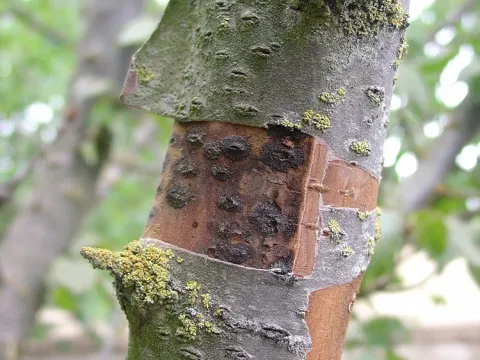
The primary symptom is the presence of localized bark necrosis. These areas often appear sunken and are usually bounded by a distinct crack or callus formation where the tree tries to isolate the pathogen.
Upon closer inspection, small black fruiting bodies of the fungus become visible on the surface of the affected bark. These structures emerge through tiny holes, marking the transition of the pathogen into its reproductive phase.
Removing the outer bark in the symptomatic area reveals dark, discolored, and dead cambium tissue. The necrosis can extend deep into the wood, causing a significant change in the color of the inner bark.
Dieback of branches is a classic indicator of a severe infection. Leaves on affected branches often show signs of chlorosis, wilting, and may drop early because the branch is no longer receiving adequate water and nutrients.
- Sunken bark lesions
- Black fungal fruiting bodies (perithecia)
- Bark cracking and peeling
- Branch dieback and wilting
- Dark discoloration of internal tissues
The development of the disease is heavily dependent on moisture. High humidity and rainfall are critical factors that facilitate spore dispersal and infection of new sites on the tree.
Physical injuries, particularly those caused by severe winter temperatures, create favorable entry points for the pathogen. Frost-damaged bark provides an environment that the fungus exploits during the spring.
Poor orchard hygiene significantly contributes to the spread of Calosphaeria pulchella. Using non-disinfected pruning tools ensures that the pathogen is easily transferred from one tree to another throughout the growing season.
Tree stress is a major catalyst for disease progression. Trees suffering from nutrient deficiencies, drought, or inadequate sunlight are far more susceptible to colonization than healthy, vigorous ones.
Dense canopies with poor air circulation retain moisture for longer periods, providing the perfect microclimate for the growth of fungal mycelia on the trunk and primary branches.
The main damage caused by the disease is the systematic destruction of the tree's vascular system. This results in the loss of major branches, which fundamentally reduces the tree's overall structure and productive lifespan.
Infected trees experience reduced vigor, making them more susceptible to secondary attacks by wood-boring insects or other opportunistic pathogens that thrive in weakened tissues.
Yield loss is a significant economic consequence. The tree's inability to transport nutrients effectively prevents the development of high-quality fruits, leading to smaller sizes and poor sugar accumulation.
Severe infections can lead to the total death of the tree. This is especially true for young trees or susceptible cultivars, where the fungus can girdle the main stem quickly.
In professional orchards, the presence of the pathogen necessitates increased management costs and often results in the need for culling or replacing entire blocks of affected fruit trees.
The cornerstone of management is strict sanitary pruning. All symptomatic branches must be removed, cutting well back into the healthy, green-tinted wood to ensure no fungus remains.
Disinfection of pruning tools is non-negotiable. Dipping shears in alcohol or bleach solutions between trees prevents the spread of the pathogen during maintenance work.
Protecting the bark from environmental stress is essential. Painting tree trunks with white lime wash helps prevent sunscald and frost cracks, which are the main entry points for the fungus.
The application of copper-based fungicides provides a protective barrier on the bark, reducing the success rate of spore germination during periods of high humidity.
Proper waste disposal is vital. All diseased prunings must be removed from the orchard and burned or buried deep to eliminate the inoculum source that could otherwise threaten the remaining healthy trees.