
Arthopyrenia
Arthopyrenia
Arthopyrenia is a genus of fungi belonging to the class Dothideomycetes, often characterized by a lichenized or semi-lichenized growth form on the bark of woody plants.
What the section contains
Arthopyrenia
In agronomy, these organisms are considered epiphytic, colonizing the external layer of the bark rather than invading the internal wood tissue of the host.
The life cycle of the pathogen is highly dependent on environmental moisture levels, which are necessary for the development of the perithecia (fruiting bodies) within the bark substrate.
The fungus spreads via spores, which are disseminated by wind, rain splashes, or insects moving across the surface of the tree trunk and branches.
Arthopyrenia is rarely a primary killer of trees but acts as an indicator species of the microclimatic conditions surrounding the tree bark.
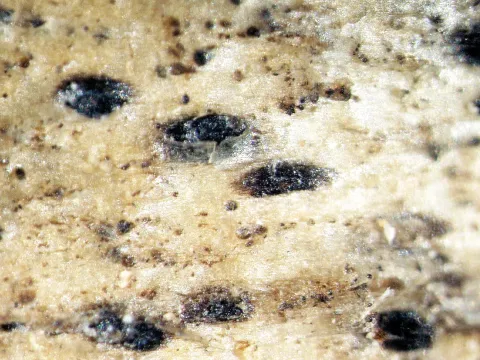
The primary symptom of Arthopyrenia is the appearance of tiny, dark, black-colored dots on the surface of the bark, representing the protruding parts of the fungal fruiting bodies.
Affected areas may show discoloration, often turning a grayish, brownish, or dull green hue, which is quite distinct from the natural color of healthy bark.
Clusters of these dark spots may merge over time, creating patches that cover large portions of the trunk and primary scaffolds of the tree.
Unlike mosses or large lichens, Arthopyrenia appears embedded within the cork tissue, giving the bark a rough, spotted, or granular appearance.
Signs are most prominent during wet weather, as the moisture causes the colonies to become more visible and darken against the surrounding bark texture.
High relative humidity is the critical factor for the development of Arthopyrenia, making orchards with poor ventilation particularly susceptible.
Lack of proper tree canopy management and pruning leads to stagnant air and high humidity, which favors the colonization and growth of these fungal structures.
Trees located in shaded areas or those with dense, unpruned crowns retain moisture for longer periods, providing a perfect niche for the fungus.
Older trees with rough or deeply fissured bark provide more surface area and better water retention, facilitating the establishment of colonies.
The presence of existing bark injuries or weakened tree vigor can increase the susceptibility of the plant to heavy colonization by various epiphytic organisms.
While not a major destructive pathogen, Arthopyrenia can clog the lenticels of the bark, which may slightly impede the gaseous exchange essential for tree tissue health.
Dense colonies create a favorable micro-habitat for various orchard pests, such as scale insects and mites, providing them with shelter during their dormant stages.
Persistent moisture maintained by the fungal layer can contribute to the accelerated weathering and decay of the outer bark, potentially leading to small cracks.
The aesthetic and physical health of the tree can decline if the colony cover becomes too widespread, signalling a need for improved orchard management.
Long-term colonization by epiphytes like Arthopyrenia often correlates with decreased tree vitality, requiring remedial action to restore plant health.
Mechanical cleaning of the bark using stiff brushes is the most effective initial method to remove colonies and debris from the trunk and major branches.
Annual white-washing of trunks with lime-based solutions provides a strong preventive measure, creating a sanitary surface that inhibits fungal growth.
Implementing a rigorous pruning schedule improves air circulation and sunlight penetration, effectively drying out the bark and reducing the chances of colonization.
Early spring treatments with copper-based fungicides are highly effective in reducing the spore load and controlling the population of Arthopyrenia in the orchard.
- Maintain proper tree spacing and density.
- Sanitize tools regularly to prevent spread.
- Promote vigor through proper irrigation and fertilization.
- Monitor bark health during regular seasonal inspections.