
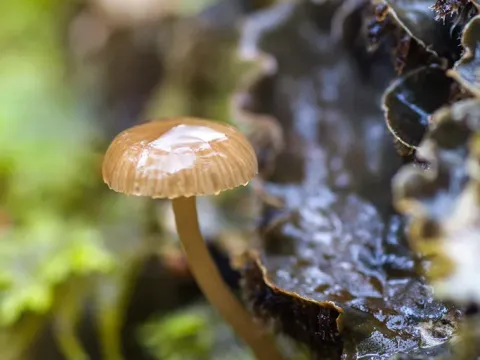
Arrhenia
Arrhenia
The genus Arrhenia consists of basidiomycete fungi known to affect turfgrass health, often appearing in association with complex snow mold conditions.
What the section contains
Arrhenia
These fungi act as parasites on grasses, penetrating leaf blades and root systems to extract nutrients, which weakens the host plant significantly.
Biological survival of Arrhenia is supported by its ability to remain dormant in soil, thatch, or dead plant debris during unfavorable seasons.
The life cycle of the pathogen is closely tied to moisture levels and cool temperatures, allowing it to colonize grasses effectively during early spring.
Spores produced by the fungus are dispersed through wind currents or water splashing, facilitating the spread of the infection across lawns.
The primary symptom of an Arrhenia infection is the presence of bleached or grayish patches appearing immediately after the snow melts.
These patches are often covered in a fine, spiderweb-like mycelium that gradually thickens as the fungus matures on the surface of the grass.
The infected grass blades turn brown and die, becoming brittle and matted, which creates distinct bare spots across the lawn area.
As the disease progresses, the grass in the affected areas loses its structural integrity and can be easily pulled away from the soil surface.
In later stages of development, small fruiting bodies may appear on the decaying plant material, signaling an advanced stage of colonization.
High humidity is the most critical environmental factor that triggers the rapid growth of Arrhenia mycelium across the lawn surface.
The optimal temperature range for the pathogen's activity is generally low, between 0 and 10 degrees Celsius, typical of early spring weather.
Excessive accumulation of thatch provides an ideal microclimate, trapping moisture and providing a nutrient-rich environment for the fungus.
Over-application of nitrogen fertilizers late in the growing season leads to succulent growth, making the grass highly susceptible to winter diseases.
Poor soil drainage and low-lying areas that collect stagnant water are high-risk zones for severe outbreaks of the disease.
Arrhenia causes significant damage by killing large sections of grass, which often results in complete loss of turf functionality and aesthetic value.
Infected plants often suffer from total root rot, meaning the grass cannot recover on its own once temperatures rise and the weather dries out.
Significant outbreaks necessitate intensive repair measures, including reseeding or sodding to replace the damaged areas of the turfgrass.
The persistence of the fungus in the soil increases the likelihood of recurrence in future seasons unless preventive management is implemented.
The economic impact involves both the cost of professional intervention and the long-term management requirements for lawn rehabilitation.
Effective management requires a comprehensive approach, starting with standard agronomic practices such as regular mowing and proper watering.
Cultural control measures include mechanical aeration and dethatching to improve airflow and reduce moisture accumulation within the turf.
It is recommended to adjust fertilization schedules to avoid nitrogen applications during the late autumn, favoring phosphorus and potassium instead.
Applying appropriate fungicides at the first sign of symptoms can prevent further spread and help protect healthy parts of the lawn.
- Clear away leaves and debris in autumn
- Use disease-resistant grass cultivars
- Ensure proper soil drainage
- Implement a seasonal preventive fungicide spray