
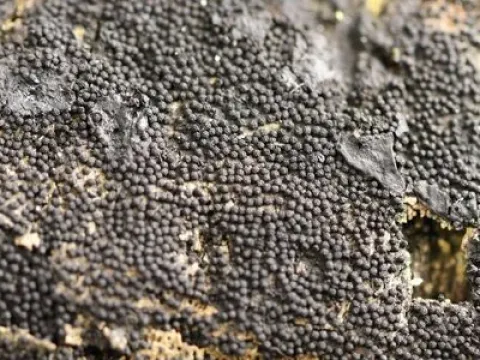
Anthostoma decipiens
Anthostoma decipiens
The disease is caused by the fungus Anthostoma decipiens (syn. Biscogniauxia decipiens), which is a common pathogen known to colonize various woody plants.
What the section contains
Anthostoma decipiens
The fungus typically acts as a wound parasite, exploiting areas of damaged bark to enter the host's tissues and begin its colonizing process.
Its life cycle involves the formation of small stromatic structures under the bark, which eventually break through the surface to release spores for transmission.
This pathogen prefers to develop in woody hosts that are already under some form of physiological stress, making it an opportunistic threat.
The mycelium of the fungus penetrates the cambium and xylem, disrupting the plant's vascular systems and leading to localized tissue necrosis.
The primary symptom of Anthostoma decipiens infection is the appearance of darkened, depressed areas of necrosis on the bark surface.
Black, carbonaceous stroma emerge from the bark, creating a characteristic rough or bumpy texture that acts as a key diagnostic indicator.
Branches affected by the fungus often show signs of dieback, with foliage turning yellow, wilting, and falling prematurely during the growing season.
The bark may crack and peel in infected sections, often revealing dark or discolored inner wood caused by the fungal degradation process.
In cases where the fungus encircles a limb or trunk, the distal parts of the plant stop receiving nutrients and water, eventually dying off completely.
Warm and humid weather conditions are ideal for the spore germination and colonization phases of the fungal development cycle.
Mechanical injuries, including frost cracks, sunscald, or pruning wounds, serve as essential entry points for the pathogen to establish itself.
Trees that are poorly maintained, suffering from drought, or growing in nutrient-deficient soils are significantly more susceptible to the infection.
Poor airflow within the crown, caused by overly dense planting or lack of pruning, increases humidity levels, facilitating the spread of the fungus.
Seasonal patterns such as prolonged autumn rains or humid springs create the most favorable microclimate for the fungus to thrive and reproduce.
Infection leads to severe structural damage to the bark and underlying wood, significantly reducing the tree's health and vitality.
The loss of branches due to necrosis impairs the aesthetic appeal of the plant, which is particularly concerning for ornamental gardening and public parks.
By weakening the structural integrity of the tree, the pathogen makes it more prone to secondary attacks by wood-boring insects and other opportunists.
In forest management, the spread of Anthostoma decipiens can lead to widespread damage, requiring intensive maintenance and the removal of affected trees.
The cumulative effect of the disease is the gradual decline of the host tree, eventually leading to its permanent death if left untreated.
Sanitation is the most important control method: all infected and dead branches should be promptly pruned and removed from the site.
Applying copper-based fungicides to pruning cuts and exposed wounds can prevent spores from infiltrating the fresh wood.
Ensuring trees receive adequate water and fertilization helps maintain their natural defense systems, making them less attractive to the pathogen.
Protecting the trunks from physical damage and sunscald is essential to prevent the entry points that the fungus requires for infection.
Regular monitoring of tree health and density allows for early detection and the implementation of management practices before the disease becomes widespread.