
Anther smut
Antherospora
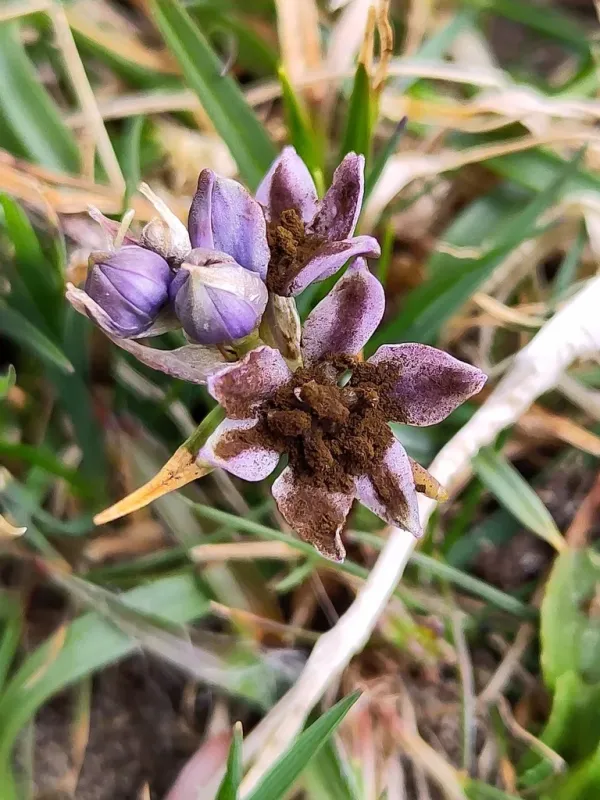
Description
Symptoms
The most prominent symptom of anther smut is the discoloration and morphological change of the anthers. Instead of yellow pollen, the floral structure is filled with a dark, dusty mass of spores.
Infected spikelets often appear deformed and may open prematurely, exposing the spore mass to the environment. In many cases, this leads to complete sterility of the infected flower parts.
During the flowering stage, the disease becomes visually apparent as infected plants show “dusting” spikes. These spikes are easily identifiable in the field due to their atypical appearance.
The vegetative parts of the plant often show no visible symptoms, which makes early detection difficult. The infection is usually discovered only when the reproductive structures begin to develop.
Touching an infected plant often results in dark, powdery spore residue on one's hands or tools, which confirms the presence of the pathogen and highlights the ease with which it spreads.
Pathogen
The disease is caused by fungi belonging to the genus Antherospora, which are part of the order Ustilaginales (smut fungi). These are specialized obligate parasites that primarily target the reproductive organs of plants, specifically the anthers.
This pathogen has a narrow host range, infecting various species within the Poaceae family. Both wild grasses and cultivated cereal crops can serve as hosts for these specific fungal organisms.
The life cycle of the fungus is strictly synchronized with the flowering period of the host plant. The infection is spread primarily through teliospores that travel via wind currents or insect pollinators to the stigmas of healthy flowers.
Once the spore germinates, the mycelium invades the ovary or anther tissue, replacing the healthy pollen-producing structures with a dense mass of black or brown fungal spores.
The fungus survives the off-season as dormant teliospores, which can persist in the soil or adhere to the surface of seeds, ensuring the recurrence of the disease in subsequent growing seasons.
Conditions for development
The development of anther smut is highly dependent on weather conditions during the flowering phase. Moderate temperatures combined with high humidity are optimal for spore germination and infection.
Frequent rainfall during the bloom period facilitates the transmission of spores, as surface moisture on the flowers helps the spores anchor and penetrate the plant tissues efficiently.
Insects play a significant role in the dissemination of the fungus. As they move between flowers during pollination, they inadvertently carry spores from diseased to healthy plants, increasing the disease incidence.
Dense crop stands with poor air circulation create a microclimate with high relative humidity, which promotes the growth and spread of the fungus even under drier general weather conditions.
Agricultural practices, such as monocropping or the failure to treat seeds, create favorable conditions for the buildup of the pathogen within the field environment over several years.
Why it matters
The primary economic impact of anther smut is the direct loss of grain yield. Since the fungus destroys the reproductive structures, no viable seed can be produced in the affected spikelets.
The disease degrades the quality of the seed stock. If seeds from infected areas are reused, it leads to the spread of the pathogen, resulting in poor stand establishment and higher disease pressure.
Physiologically, the plant wastes valuable metabolic energy supporting the growth of the pathogen, which weakens the plant and can make it more susceptible to secondary biotic or abiotic stresses.
Economic damage also includes the costs of additional monitoring, the implementation of complex crop rotations, and the potential need to discard or downgrade contaminated grain lots.
Contamination of the harvest with smut spores can reduce the market value of the crop and may render it unsuitable for certain industrial processing or animal feed applications.
Protection
The use of certified, disease-free seed is the most critical step in managing anther smut. Seed treatment with systemic fungicides is highly recommended to protect the crop during early stages.
Crop rotation is essential for disrupting the life cycle of the fungus, as it reduces the inoculum load in the soil and prevents the pathogen from finding a suitable host in consecutive seasons.
Weed management is vital, especially the control of wild grass species that may serve as alternative hosts and reservoirs for the fungus, allowing it to survive and propagate throughout the year.
The adoption of resistant or tolerant cultivars is the most effective and sustainable strategy for mitigating the impact of anther smut in areas where the disease is known to occur.
In seed production fields, early detection and roguing (the removal and destruction of symptomatic plants) can prevent the mass release of spores and significantly lower the infection rate in the following year.
Discussion
No discussions yet — be the first.