
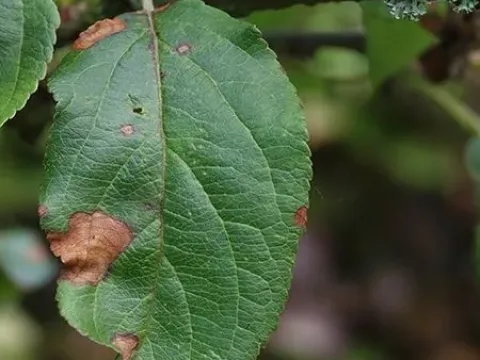
Alternaria blotch of apple
Alternaria obtusa
The disease is caused by the fungus Alternaria obtusa (also synonymous with Alternaria mali), which serves as a significant pathogen in apple orchards worldwide.
What the section contains
Alternaria blotch of apple
This fungus overwinters primarily in dead leaf tissue, mummified fruits, and bark fissures, waiting for favorable spring conditions to restart its life cycle.
Conidia produced by the pathogen are disseminated by rain splash, wind, and movement of equipment, allowing the disease to spread rapidly through the orchard.
Once settled on host tissue, the fungus produces germ tubes that penetrate through stomata or directly through the cuticle, especially in susceptible cultivars.
The biological activity of the fungus is highly dependent on environmental humidity, which facilitates the rapid germination and mycelial growth of the pathogen.
Initial symptoms include the appearance of small, dark brown or greyish circular spots on leaves, which gradually expand and often show concentric rings.
Affected fruit develops dark, sunken lesions that may enlarge until they cover a significant portion of the apple, often exhibiting a velvet-like black sporulation.
Severe infestations cause premature leaf yellowing and heavy abscission, leading to sparse canopy coverage and significantly reduced overall tree health.
Young twigs can also show signs of necrosis, leading to small cankers that may weaken the branches and inhibit new, healthy shoot growth.
- Concentric ring patterns on necrotic leaf spots.
- Dark, sunken rot lesions on harvested apples.
- Early defoliation during mid-summer.
- Development of lesions on fruit peduncles.
The development of Alternaria blotch is strongly correlated with warm, humid weather conditions, particularly during the rainy summer months.
Optimum temperatures for fungal proliferation range from 20 to 25 degrees Celsius, creating ideal conditions for rapid outbreaks in susceptible orchards.
Orchards with high density and poor air circulation are more prone to infection because the moisture remains trapped in the canopy for extended periods.
Prolonged leaf wetness duration is a critical factor for successful fungal infection, making effective canopy management essential for prevention.
Trees that are already stressed due to poor soil nutrient management or previous pest damage are significantly more susceptible to the disease.
The primary economic impact is the severe loss of photosynthetic capacity due to premature defoliation, which negatively affects yield and fruit quality.
Fruit decay caused by this pathogen leads to post-harvest losses, as infected apples rot quickly in cold storage and reduce marketable produce volume.
Trees suffer from reduced carbohydrate storage, which impairs their ability to withstand harsh winters and leads to a decline in growth over subsequent seasons.
Chronic infection weakens the overall vigor of the apple trees, requiring increased inputs for fertilizers and chemical treatments to restore orchard productivity.
Without proper control, the disease can become endemic in an orchard, leading to a steady decline in fruit production and quality over several years.
Cultural practices such as regular pruning are vital to improve airflow, reduce humidity within the tree canopy, and allow faster drying of leaves and fruit.
Sanitation is a cornerstone of control: gathering and destroying fallen leaves and diseased fruit helps to break the pathogen's overwintering cycle.
Chemical control programs often involve the application of fungicides such as strobilurins and triazoles during periods of high infection risk.
It is recommended to monitor the orchard closely and apply treatments before the onset of heavy rains to protect susceptible young fruit and leaves.
Implementing integrated pest management (IPM) strategies, including the use of resistant cultivars, remains the most sustainable approach to long-term orchard health.