
Alternaria blight
Alternaria penicillata
Description
Symptoms
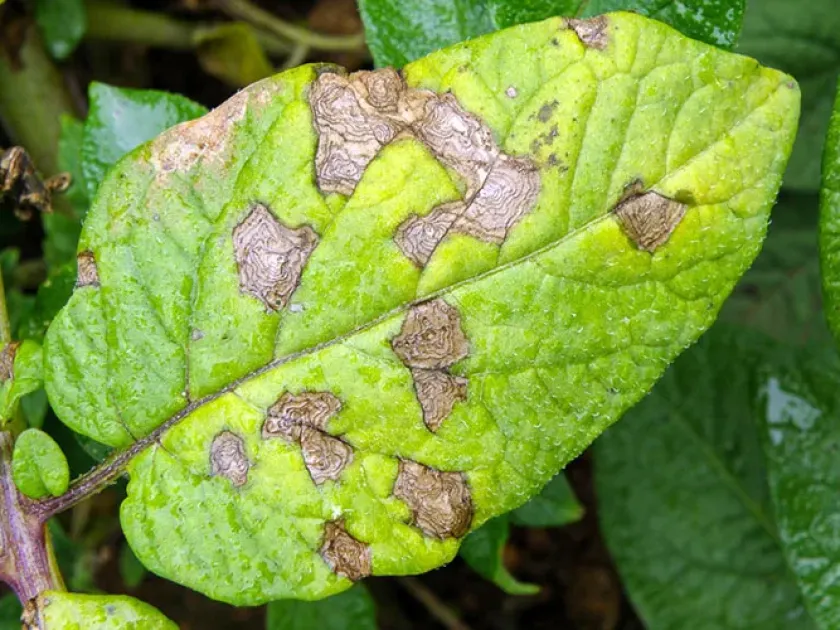
The first symptoms of Alternaria blight appear as small, circular, or angular dark-brown spots. As the disease progresses, the spots expand in size and may coalesce, covering significant areas of the leaf blade.
A diagnostic feature is the presence of concentric zonation (the "target spot" pattern) on the lesions, which results from the periodic formation of the fungus's conidial sporulation.
Under high humidity conditions, a velvety, olive-black coating appears on the surface of the lesions, especially on the underside of the leaves. This represents the sporulation of Alternaria penicillata.
When stems and petioles are infected, elongated dark spots appear, which can lead to premature wilting and death of the leaves. Severe infection often results in total defoliation of the plant.
On fruits, the disease manifests as sunken lesions that may eventually cover the entire fruit, rendering it unsuitable for consumption or storage due to the development of rot.
Pathogen
The causative agent of the disease is the imperfect fungus Alternaria penicillata, which belongs to the Alternaria genus. This microorganism is characterized by its ability to produce dark, multicellular conidia that are easily dispersed by wind and rain splashes.
The fungus acts as a saprophyte or a facultative parasite, surviving in the soil, on crop residues, in seeds, or within the bulbs of infected plants. This allows the pathogen to persist for long periods in adverse environmental conditions.
The infectious agent enters plant tissues through stomata, microcracks, or mechanical injuries to the epidermis. Inside the tissues, the mycelium actively spreads, destroying cell walls and triggering necrotic processes.
The pathogen's biological cycle includes an active growth phase when moisture is present and a dormant phase in the form of spores or sclerotia. Multiple infection cycles can occur throughout the growing season under favorable meteorological conditions.
This pathogen affects a wide range of agricultural crops, including cereals, vegetables (especially solanaceous crops), cucurbits, as well as ornamental plants and trees, reducing their overall productivity and produce quality.
Conditions for development
The development of Alternaria blight is favored by moderately warm weather with temperatures ranging from +20°C to +30°C. Such conditions ensure optimal growth of the pathogen's mycelium within plant tissues.
The presence of free moisture on the plant surface is a critical factor for spore germination. Prolonged dew, frequent rain, or high relative humidity (above 80%) trigger widespread infection.
Stress factors that weaken plant immunity significantly increase the risk of infection. These include nutrient deficiencies, drastic temperature fluctuations, drought, or mechanical damage.
Dense crop stands or plantings with poor ventilation create a microclimate with high humidity, which promotes the accumulation of infection and the rapid spread of the disease from plant to plant.
The intensity of the disease development directly depends on the accumulation of the infectious potential in the soil. Monocropping or crop rotation involving susceptible species contributes to the annual increase in epiphytotics.
Why it matters
The harmfulness of Alternaria blight lies in the premature death of the foliage, which leads to a sharp decline in the plant's photosynthetic activity. As a result, fruit formation and ripening are delayed.
Fruit infection leads to spoilage on the plant, reduced market value, and poor storability. Crop losses under severe disease pressure can reach 30-50% or more, especially in years favorable for the fungus.
The pathogen can produce mycotoxins, which degrade the quality of the produce. This makes infected fruits potentially hazardous to human and animal health.
Infection of the seed material results in reduced germination rates and low seed vigor. Seedlings developing from such seeds often perish at early growth stages due to root and collar rots.
The disease depletes nutrient reserves in perennial crops, reducing their cold hardiness and their capacity for normal development in subsequent growing seasons.
Protection
The basis of protection is strict adherence to crop rotation, returning susceptible crops to the same field no earlier than 3-4 years later. This breaks the pathogen's life cycle in the soil.
It is essential to perform high-quality plowing of crop residues and eliminate weeds that may serve as reservoirs of infection. Timely removal and burning of infected plant parts in autumn significantly reduce the spore load.
Using healthy, treated seed material is an mandatory agronomic practice. Seed dressing allows for the elimination of infection present on the seed surface.
During the growing season, it is recommended to conduct preventive and curative fungicide sprays. Effective products include those based on copper, strobilurins, triazoles, and other active ingredients, applied according to regulations.
It is important to maintain optimal plant nutrition, especially potassium levels, which enhances the resistance of cell walls to pathogen penetration. Maintaining optimal plant density prevents moisture stagnation within the crop.
Discussion
No discussions yet — be the first.