
Rhizobiosis
Rhizobium
The causative agents of the disease are soil bacteria of the Rhizobium genus, which can switch from symbiotic to pathogenic behavior.
What the section contains
Rhizobiosis
While usually essential for nitrogen fixation, under certain conditions, these bacteria induce pathological tissue growth.
Bacteria enter the root system through root hairs and actively colonize the host plant's internal structures.
This colonization leads to significant hormonal disruption and tissue hypertrophy in the root system.
The disease is classified as a bacterial tumor-like process that severely hinders plant vascular health.
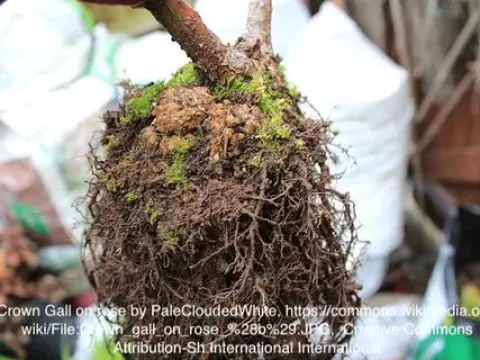
The primary symptom is the formation of abnormally large, deformed root nodules that lack functional nitrogen-fixing capabilities.
Affected plants exhibit signs of chlorosis, characterized by yellowing leaves and reduced overall vitality.
Visual inspection of the root system reveals characteristic slimy tissues and an unpleasant, foul odor caused by decay.
Plants show stunted growth compared to healthy crops, often looking withered despite sufficient soil moisture.
Severe infestations lead to a noticeable lack of healthy nodules, significantly impacting the plant's nitrogen supply.
High soil moisture and waterlogging are the main environmental factors promoting the development of this disease.
Bacterial activity is optimized at temperatures ranging between +20°C and +26°C within the soil.
Neutral or slightly alkaline pH levels in the soil create an ideal environment for the proliferation of the pathogen.
Short crop rotation cycles contribute to the accumulation of bacteria in the topsoil over consecutive seasons.
Compacted soil conditions, which limit oxygen availability, can also favor the survival and spread of these organisms.
Rhizobiosis results in significant economic losses by reducing the yield and quality of grain legume crops.
Infected plants are weakened, making them susceptible to secondary infections by various fungi and other bacteria.
Energy reserves that should be used for seed development are instead wasted on the maintenance of pathological growths.
The disease negatively affects seed viability, rendering the harvested material unsuitable for future planting.
Widespread occurrence in a field leads to thinning stands and potential failure of the entire crop cycle.
The most effective strategy is the implementation of a proper crop rotation program to break the disease cycle.
Liming acidic soils and improving drainage systems help mitigate the conditions required for bacterial proliferation.
Pre-sowing treatment of seeds with effective bactericides or biological control agents is highly recommended.
Deep tillage practices are necessary to improve soil aeration and prevent moisture buildup in the rhizosphere.
- Using resistant legume varieties developed through breeding.
- Ensuring balanced potassium and phosphorus fertilization.
- Effective management of weeds that act as alternative hosts for the bacteria.