
Reticulate scab of potato
Streptomyces reticuliscabiei
Description
Symptoms
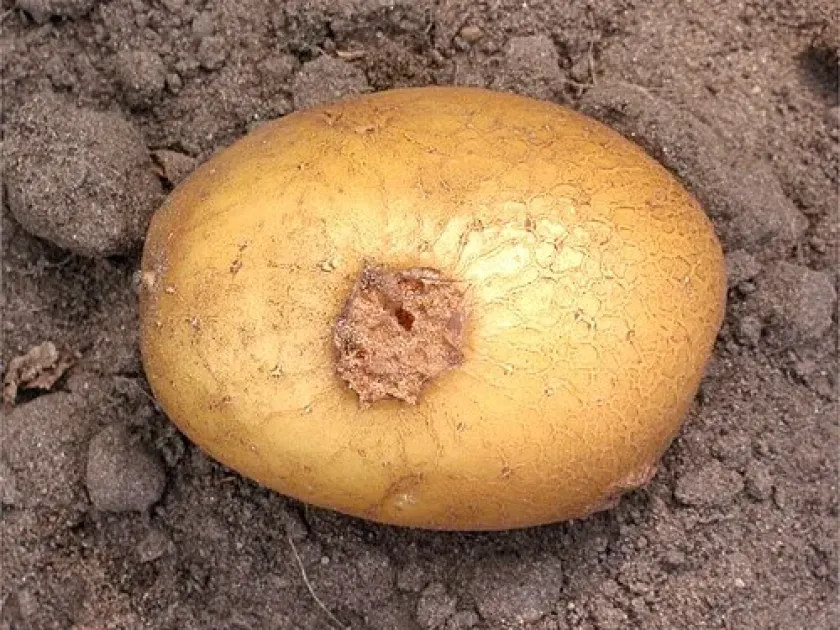
The visual hallmark of reticulate scab is a superficial, netted pattern on the tuber skin. This appearance distinguishes it from other types of scab, which often form deeper, crater-like lesions.
These lesions consist of a network of shallow, rough, brown-colored grooves. The pattern can cover large parts of the tuber surface, dramatically reducing the tuber's visual appeal and marketability.
Under dry conditions, the reticulate pattern becomes more pronounced. Although the lesions remain largely superficial, they can slightly alter the texture of the skin, making it feel dry or corky to the touch.
The disease does not usually cause internal rot or tissue breakdown inside the potato. However, the surface damage is permanent and does not improve during the storage process.
In cases of severe infection, the netted areas may merge together, covering almost the entire surface of the tuber. This makes the affected potatoes highly undesirable for premium retail markets.
Pathogen
The causal agent of reticulate scab is the soil-borne actinomycete Streptomyces reticuliscabiei. This bacterium naturally resides in the soil as a saprophyte, utilizing decomposing organic matter, but it can turn pathogenic toward potato tubers under specific conditions.
The bacterium produces phytotoxins that target the periderm of the potato tuber. Unlike the common scab pathogen, S. reticuliscabiei specializes in creating specific surface lesions that do not necessarily penetrate deep into the tuber flesh.
This pathogen survives in the soil for extended periods, even in the absence of a host crop. Its population density in the soil profile is the primary determinant of infection intensity in the following potato season.
The life cycle of the pathogen is closely tied to its ability to colonize host tissues through lenticels. Once an infection is established, the population density of the actinomycetes increases significantly around the developing tuber surface.
It thrives in aerobic environments, meaning well-aerated sandy or loamy soils are more prone to higher disease incidence. The persistence of the organism makes it a challenging pathogen to eradicate from commercial fields.
Conditions for development
Soil pH is the most critical environmental factor. Streptomyces reticuliscabiei prefers neutral to slightly alkaline soil conditions (pH 6.0–7.5), and instances of the disease frequently spike after excessive liming.
Soil moisture during the period of tuber initiation is a decisive factor. Dry soil conditions during the first few weeks after tuber formation significantly increase the susceptibility of the crop to infection.
The application of fresh manure or other non-composted organic materials can provide a boost to the pathogen's population, making it a high-risk practice for growers in infested areas.
Temperature plays a vital role, as the pathogen is most active between 20°C and 25°C. Warm and dry summers often correlate with higher levels of reticulate scab damage on harvested potatoes.
Poor crop rotation practices, where potatoes are grown too frequently in the same soil, allow the pathogen population to reach levels that make commercial production difficult without heavy intervention.
Why it matters
The economic impact of reticulate scab is primarily due to the rejection of potatoes by fresh market buyers. A damaged appearance significantly lowers the commercial grade of the harvest.
Affected tubers are more prone to dehydration during storage. The damaged skin allows for increased water loss, which leads to premature wilting and reduced quality during long-term storage.
The disrupted surface also serves as an entry point for secondary opportunistic pathogens. This increases the risk of storage rots, which can spread through a pile of potatoes and cause massive losses.
Growers face higher costs due to the need for rigorous sorting, grading, and potential downgrading of the product. This can turn a profitable crop into a financial loss for the farm.
Continuous cycles of infection in the field lead to a gradual decline in the overall quality of the seed stock, creating a long-term problem for the farm's productivity and sustainability.
Protection
Management strategies begin with maintaining an appropriate soil pH. Avoiding lime application in the season immediately preceding potato planting is a primary recommendation for high-risk fields.
Irrigation management is crucial during the tuber initiation stage. Keeping the soil moist during the early development phase of the tubers is one of the most effective ways to inhibit the infection process.
Implementing a proper crop rotation with green manure crops, such as mustard or rye, can help suppress the pathogen's population by altering soil microbiology and organic matter composition.
- Selecting resistant or less susceptible potato varieties.
- Treating seed potatoes with appropriate fungicides or biocontrol agents.
- Avoiding the use of fresh manure or alkaline fertilizers.
- Ensuring long intervals between potato crops in the rotation cycle.
Biocontrol agents, specifically those utilizing Bacillus subtilis, have shown promise in reducing the severity of scab by colonizing the rhizosphere and outcompeting the pathogenic actinomycetes.
Discussion
No discussions yet — be the first.