
Rhodobacteriosis
Rhodobacteraceae
Rhodobacteriosis is a plant disease caused by members of the Rhodobacteraceae family. While these bacteria are typically known for their roles in aquatic and soil ecosystems, certain strains have evolved to act as opportunistic plant pathogens.
What the section contains
Rhodobacteriosis
The pathogen is a Gram-negative bacterium that colonizes the plant surface and enters through natural openings or mechanical wounds. Once inside, it begins to utilize the plant's resources for rapid replication.
These bacteria secrete potent enzymes that degrade pectin and cellulose, leading to the disintegration of plant tissues. This enzymatic activity is what causes the characteristic softening and rotting of infected plant parts.
Rhodobacteraceae are known for their metabolic diversity, which allows them to adapt to the changing chemical environment within the vascular bundles of various plant species.
A significant factor in the biology of this pathogen is its ability to form dense biofilms, which protect the bacterial colonies from environmental stress and chemical treatments.
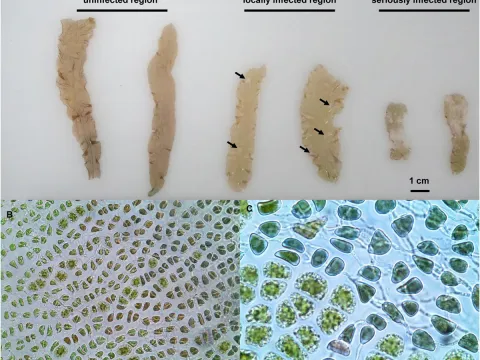
The first symptoms typically appear as small, water-soaked spots on leaves. These spots gradually expand and may become translucent, indicating tissue maceration.
As the disease progresses, the infected area develops a dark or necrotic center. A greasy or oily appearance is often observed at the margins of the lesions.
One diagnostic sign is the presence of a bacterial ooze or slime on the surface of the lesions, especially during periods of high humidity or early morning hours.
Infection often leads to systemic wilting, as the bacteria clog the xylem vessels, effectively cutting off the plant's water supply from the roots to the foliage.
Severe infection manifests as the total collapse of the stem or fruit, turning the plant tissue into a foul-smelling mush due to the secondary colonization of opportunistic saprophytes.
The development of rhodobacteriosis is heavily favored by high temperature and high humidity conditions, often found in greenhouses with poor ventilation or during wet summer seasons.
Water-splashing from rain or overhead irrigation is a major driver of spread, as it facilitates the movement of bacteria from the soil to the leaves or from plant to plant.
Mechanical injury is a critical factor for successful infection. Pruning tools, insect bites, or wind damage provide easy access points for the bacteria to infiltrate the plant's vascular system.
Stressed plants with weak immunity are significantly more susceptible to infection. Nutrient imbalances, particularly excessive nitrogen, can lead to succulent growth that is easily colonized.
The pathogen can survive in soil, crop debris, and contaminated water sources, which serve as primary reservoirs for infection during the next planting season.
The primary harm caused by rhodobacteriosis is the direct loss of harvestable yields. Entire crops can become unmarketable due to the soft rot and necrotic lesions on fruits and stems.
In seedlings, the disease causes damping-off symptoms, resulting in significant stand loss and necessitating costly replanting efforts in the field or nursery.
Systemic infections cause stunted growth and a general decline in plant vigor, which reduces the photosynthetic capacity and yield potential of the entire crop.
The economic impact extends to storage, where contaminated produce can rot rapidly, spreading the infection to otherwise healthy fruits in the same shipping crate or storage room.
There is also a risk of total field abandonment in areas with chronic bacterial pressure, as effective control measures become increasingly difficult to manage over time.
Prevention through strict cultural practices is the foundation of management. Using certified disease-free seeds and transplants is the first step in avoiding the introduction of the pathogen.
Maintaining proper hygiene in the greenhouse, including the sterilization of tools and equipment, is essential to stop the spread of Rhodobacteraceae bacteria between plants.
Sanitation measures, such as the removal and destruction of infected plant material, help to significantly reduce the inoculum pressure for the upcoming growing season.
- Implement a balanced fertilization schedule to prevent succulent, susceptible growth.
- Improve air circulation to reduce leaf wetness and humidity levels.
- Use copper-based bactericides as a preventive measure in high-risk zones.
Biological control agents, such as beneficial bacteria that compete for nutrients and space, can be integrated into the management plan to suppress the pathogen naturally.