
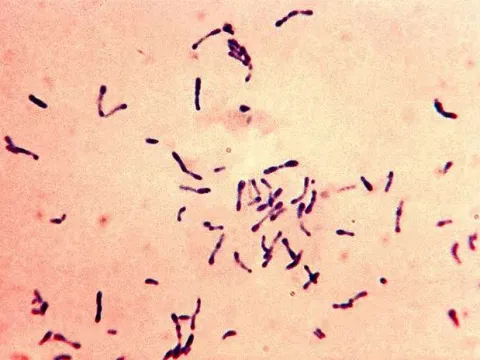
Renibacteriosis
Renibacterium
Renibacteriosis is caused by the bacterium Renibacterium. This pathogen is known for causing severe systemic infections within plant tissues, specifically targeting the vascular transport system.
What the section contains
Renibacteriosis
As a bacterial pathogen, Renibacterium invades the host through natural openings or small wounds. Once inside, it rapidly colonizes the xylem vessels, disrupting the flow of water and nutrients.
The bacterium is highly persistent in the environment. It can survive in contaminated soil, plant debris, and even within the vascular tissue of perennial plants for several growing seasons.
The biological nature of the pathogen makes it challenging to treat once the symptoms become visible. The bacteria utilize the plant's resources to multiply, leading to cellular degradation and tissue death.
In phytopathology, Renibacterium is recognized for its ability to evade host immune responses by residing within the vascular bundles, shielding itself from surface-applied chemicals.
The first external symptoms often appear as localized chlorosis on the leaves, which quickly progresses to necrosis along the leaf margins as the systemic blockage worsens.
During peak heat hours, the most noticeable sign is the wilting of the terminal shoots. While the plants may recover at night, the progressive damage to the vascular system eventually leads to permanent wilting.
A cross-section of an infected stem typically reveals dark, discolored vascular bundles. This browning is a diagnostic characteristic of internal bacterial colonization.
Under high-humidity conditions, infected plants may exude a sticky bacterial ooze from stems or leaf petioles. This sign is definitive evidence of active bacterial proliferation.
- Leaf chlorosis and necrosis
- Terminal shoot wilting
- Vascular bundle discoloration
- Bacterial ooze appearance
The development of Renibacteriosis is highly correlated with warm and humid conditions. Temperatures between 22°C and 28°C provide the optimal environment for the bacteria to thrive.
Excessive soil moisture, which limits oxygen availability to the roots, weakens the plant's defense mechanisms, making it more susceptible to pathogen penetration.
Mechanical damage caused by agricultural implements, grafting, or insect feeding provides a direct route for the bacteria to enter the plant's internal system.
Improper nutrient management, specifically high nitrogen application, creates lush, succulent tissues that are easily penetrated by the pathogen during the early stages of infection.
Poor ventilation and high plant density in greenhouses are significant factors that facilitate the rapid transmission of the disease throughout the crop population.
The primary harm caused by Renibacteriosis is the significant reduction in photosynthetic capacity and overall crop yield. Infected plants often fail to reach their full biological potential.
Severe infestations can lead to total crop failure. As the vascular system collapses, the plant can no longer maintain its hydration, resulting in mass death of the vegetation.
Harvested products from infected plants show significantly reduced market value due to poor quality and internal tissue browning. They are also prone to secondary rot during post-harvest storage.
Beyond the direct yield loss, the disease forces farmers to implement expensive containment and sanitation protocols, often requiring the destruction of all plants in an infected area.
The pathogen's persistence in soil limits the choice of crops for subsequent planting cycles, impacting the long-term profitability of the agricultural land.
Preventative measures are the most effective strategy. This includes using certified, pathogen-free seeds and seedlings from trusted suppliers to ensure the start of a clean crop cycle.
Maintaining a strict crop rotation schedule is essential. Avoid planting susceptible crops in the same area for at least three to four years to allow the bacterial population in the soil to decline.
Regular field scouting allows for the early detection of symptoms. Any plant showing signs of the disease must be rogue out and destroyed immediately to prevent spread to neighbors.
Sterilization of all pruning tools using alcohol or bleach solutions is critical when moving between different plants, as contaminated tools are a major vector for disease transmission.
While copper-based bactericides can provide a temporary protective barrier, they are generally ineffective as curative agents once the internal infection is established.