
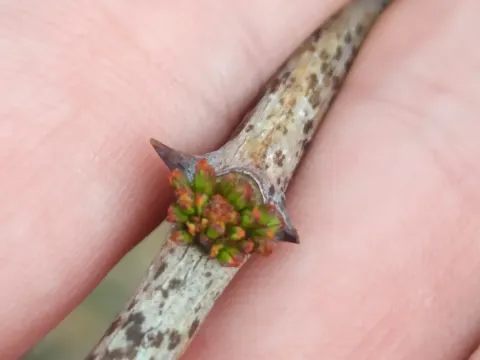
Zanthoxylum fraxineum
Zanthoxylum fraxineum
Zanthoxylum fraxineum belongs to the Rutaceae family and is known for its aromatic properties. Seeds require cold stratification for at least two to three months to break dormancy.
What the section contains
Zanthoxylum fraxineum
Sowing should take place in early spring into a well-draining, nutrient-rich soil mix. Consistent moisture is crucial during the germination phase to ensure success.
The seeds should be covered with a thin layer of soil and kept in a bright, sheltered environment to encourage vigorous development of the seedlings.
Vegetative propagation via cuttings is also an effective method to multiply the crop, ensuring the young plants maintain the specific traits of the parent tree.
Transplanting to a permanent location should occur only after the plant has developed a robust root system and can withstand moderate outdoor conditions.
The plant thrives in full sun exposure, which is necessary for the development of the essential oils that give the plant its characteristic flavor and aroma.
Soil quality is paramount; the species prefers well-drained, slightly acidic to neutral soils that do not retain excess water, which could harm the roots.
Regular watering is recommended during the initial growth stages, though mature trees demonstrate a certain level of drought tolerance once established.
Climate considerations are important, as the plant needs protection from harsh winter frosts, particularly when young, through mulching or localized covering.
Minimal fertilization is required; however, a balanced organic fertilizer applied in the spring can significantly boost the overall plant health and productivity.
Common threats include spider mites and aphids, which can severely weaken the plant by feeding on the tender young leaves and buds during hot spells.
Fungal diseases like leaf spot or root rot may occur if the planting density is too high, preventing adequate airflow through the tree canopy.
Management of these threats should prioritize integrated pest control strategies, using organic sprays whenever possible to maintain food safety standards.
Regular pruning is an essential cultural practice that helps maintain the shape of the tree while simultaneously removing any diseased or dead wood.
Inspecting the foliage regularly for signs of distress, such as discoloration or wilting, allows for early intervention before a pest infestation becomes severe.
Harvesting usually takes place in late summer or autumn when the seed pods reach maturity and start to split open, releasing their aromatic oils.
Care must be taken during the collection process, as the branches of the Zanthoxylum fraxineum tree are covered in sharp thorns that require protection.
Post-harvest, the pods should be dried in a cool, dark place with excellent air circulation to preserve the intense flavor and prevent the development of mold.
The leaves can also be harvested throughout the growing season for culinary use, offering a unique citrus-like scent that enhances various dishes.
Proper storage in airtight containers is necessary to ensure the spice retains its potent properties and does not lose its fragrance over time.