
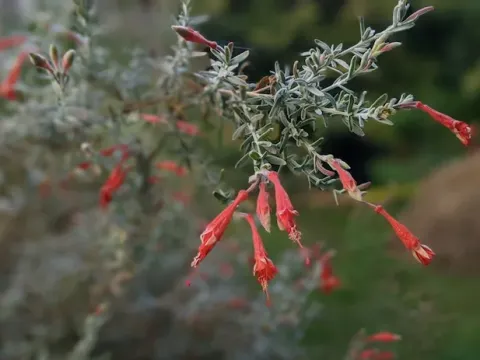
Zauschneria
Zauschneria
Zauschneria seeds are typically sown in late winter or early spring using a greenhouse or indoor method. Since the seeds are extremely fine, they should be surface-sown on moist substrate and covered with glass or plastic to maintain high humidity during germination.
What the section contains
Zauschneria
Germination occurs at a temperature of approximately 20–22°C within two to four weeks. Once the seedlings develop their first true leaves, they should be transplanted into individual pots to allow for adequate root development before moving outdoors.
Outdoor planting occurs after the threat of frost has passed. Selecting a site with full sun and excellent drainage is critical for the long-term success of the crop, as Zauschneria thrives in harsh, rocky conditions where other plants might struggle.
Vegetative propagation is also highly effective for Zauschneria. Stem cuttings, taken in early summer and treated with rooting hormones, can be placed in a sandy rooting medium to ensure a high percentage of successful plant establishment.
Zauschneria belongs to the Onagraceae family and is commonly known as the California fuchsia due to its brilliant, tubular flowers that attract hummingbirds and pollinators in the late summer and autumn seasons.
Zauschneria is a hardy, drought-tolerant perennial originating from the arid regions of California and Mexico. It requires lean, well-draining soil and is ideally suited for rock gardens, gravel slopes, or xeriscape environments where moisture control is manageable.
The culture requires direct sunlight for the majority of the day to bloom effectively. Shade exposure results in weak, leggy growth and a dramatic reduction in the number of flowers produced, which significantly lowers its ornamental value.
Watering requirements are minimal once the root system is established. The plant is adapted to hot, dry summers and can withstand extreme temperatures, making it a reliable choice for sustainable gardening in dry climates.
Winter hardiness is moderate; in regions experiencing hard frosts, the plant may require winter protection or should be grown in containers. Soil should be neutral to slightly alkaline, avoiding heavy clays that could promote root rot.
Minimal fertilization is necessary for optimal performance. High-nitrogen fertilizers are discouraged, as they encourage excessive foliage growth at the expense of the signature vibrant, trumpet-shaped flowers that define the species.
The primary threat to Zauschneria is excessive moisture, which leads to root and crown rot. Proper site selection—specifically ensuring slope and drainage—is the most effective preventive measure against fungal soil-borne diseases.
Aphids are the most common pest observed on the tender new growth of the plant. Monitoring and using mild organic insecticides or forceful water sprays can effectively manage these infestations without harming the plant's health.
Spider mites may appear during periods of extreme heat and low humidity. Regular inspection and maintaining appropriate spacing between plants can help reduce the prevalence and impact of these pests in the garden environment.
Powdery mildew can affect the foliage if air circulation is inadequate. Maintaining airflow through proper pruning and ensuring plants are not overcrowded are essential components of a robust plant health management strategy.
Routine sanitation, including the removal of dead or woody stems in the spring, is important for overall plant vigor. This process promotes new growth and prevents the accumulation of pathogens that could lead to disease outbreaks.