
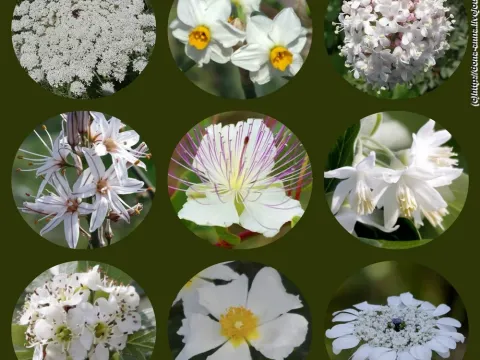
Zohary Caper
Capparis zoharyi
Sowing Zohary Caper seeds requires careful preparation, including stratification to significantly increase germination rates. The best time for sowing is early spring, once the soil has warmed up sufficiently under the sun.
What the section contains
Zohary Caper
Seeds are sown in a prepared substrate at a depth of 1-2 centimeters. It is important to ensure regular moisture, but avoid waterlogging, as young seedlings are highly sensitive to overwatering and fungal diseases.
The germination process can be quite long, requiring patience and a stable ambient temperature of around 20-25 degrees Celsius. Using mini-greenhouses can help speed up the process significantly.
Commercial plantations are more often established by planting cuttings, as this method allows for seedlings with predictable performance characteristics. Cuttings are rooted in light, well-drained sandy soil.
Once several true leaves appear, the young plants are gradually adapted to open field conditions by reducing watering and increasing exposure to direct sunlight.
Zohary Caper is a typical xerophytic plant of the Capparaceae family, thriving best in arid climate conditions. It demonstrates high resilience to extreme temperatures and prolonged periods without rainfall.
Intense lighting is the main environmental factor for healthy growth. Shading the site leads to a decrease in the number of buds and overall bush weakening, which directly affects production profitability.
Soils should be light in mechanical composition, such as sandy or rocky. The crop is perfectly adapted to growing in alkaline, calcium-rich soils that are unsuitable for many other agricultural plants.
A powerful taproot system allows the plant to survive in conditions of critical moisture deficit. However, for high-quality marketable yield, it is recommended to provide moderate drip irrigation during the active flowering period.
The plant is extremely sensitive to cold and high air humidity, which limits the possibilities for growing capers in temperate latitudes without specialized protected structures.
The yield of Zohary Caper is formed by the timely collection of buds. Productivity is influenced by the age of the plantation, soil composition, and the regularity of agronomic measures.
The first buds can be harvested in the second or third year after planting, but the maximum economic effect is reached after the fifth year of plant development. One adult bush can produce up to 3 kilograms of buds per season.
Harvesting is done by hand, as the buds require careful handling and a selective approach. Agronomists recommend harvesting every 3-5 days to prevent flowering and loss of raw material quality.
The size of the bud is a key quality indicator. Small, firm buds have higher nutritional value and are in higher demand, allowing them to be sold at premium prices in the spice market.
Intensive harvesting stimulates the plant to form new flower buds, which extends the harvest period until the end of the warm season, providing a stable income throughout the summer.
The main threats to caper plantations are pests that damage the delicate tissues of young shoots. Aphids and spider mites, which reproduce actively in hot conditions, are the most common.
Fungal diseases of the root system arise mainly due to errors in the irrigation system. Stagnant water in the root zone leads to the development of root rot, which can destroy a significant part of the plantation in a short time.
Leaf spot caused by pathogenic fungi requires timely monitoring and removal of damaged areas. In case of critical infestation, fungicides compliant with organic farming regulations are used.
Pests, particularly certain types of weevils, can damage buds from the inside, making them unsuitable for processing. Using pheromone traps helps effectively monitor and control insect populations.
- Aphids (Aphidoidea)
- Spider mites
- Fusarium root rot
- Leaf spot (fungal infections)
Harvesting is the most labor-intensive stage in Zohary Caper cultivation. The process requires careful attention from workers to distinguish suitable buds from those that have already begun to bloom.
After harvesting, the buds undergo primary processing: cleaning of debris and sorting by caliber. The quality of the final product depends on the speed of processing after removal from the branch.
Fermentation in brine is a mandatory stage to neutralize the bitter substances contained in the plant. This process lasts up to three months, during which the buds acquire their characteristic aroma and texture.
During the storage stage, it is important to avoid direct sunlight and temperature fluctuations that could alter the color or taste of the ready-made capers. Properly pickled capers can be stored for a long time without losing quality.
The finished product, packaged in glass containers with brine, is ready for culinary use as a spicy addition to various meat and fish dishes, sauces, and salads.