
Sorbopyrus
xSorbopyrus
Sorbopyrus (xSorbopyrus) is a rare intergeneric hybrid created by crossing the common rowan (Sorbus aucuparia) with the common pear (Pyrus communis). This deciduous tree belongs to the Rosaceae family and is highly prized by collectors for its unique botanical origins.
What the section contains
Sorbopyrus
The tree exhibits high winter hardiness inherited from the rowan parent, making it suitable for regions with temperate climates. It thrives best in sunny, sheltered locations where its canopy can develop properly without excessive damage from strong winds.
Soil requirements for Sorbopyrus involve fertile, well-drained loams with a neutral to slightly acidic pH level. The plant is sensitive to waterlogged conditions, so providing adequate drainage in heavy clay soils is essential for healthy root development.
Standard horticultural practices for this hybrid are similar to those for pear trees. Regular watering is vital during the establishment period and prolonged dry spells in summer to ensure the tree maintains its vigor and fruit production capacity.
Pruning should be performed in early spring before sap flow begins. The goal is to maintain a balanced canopy structure, remove dead or crossing branches, and ensure sufficient light penetration, which is critical for the development of quality fruit.
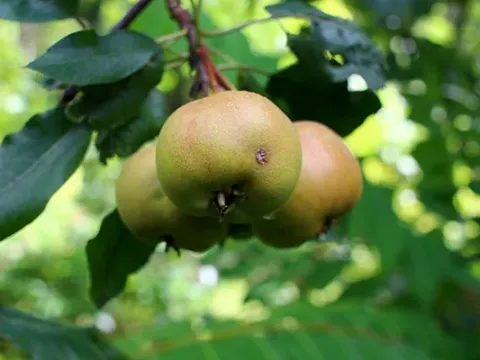
The fruits of Sorbopyrus are intermediate in size and shape between the parent species, often appearing round or slightly pear-shaped. Their flavor profile is complex, typically featuring a slight astringency balanced by a sweet, aromatic pear-like taste.
In terms of хозяйственное usage, the fruit is best suited for culinary processing. It is an excellent ingredient for jams, jellies, preserves, and fruit brandies, as the cooking process enhances its unique aroma and softens its texture.
Yield stability is improved by the presence of cross-pollinators in the garden, such as specific pear or rowan cultivars. The actual quantity of the harvest depends heavily on the tree's age, local pollination conditions, and seasonal weather patterns.
Harvesting usually takes place in late summer or early autumn. The fruits are typically picked when fully ripe but still firm. They have a decent shelf life in a cool, dry place, which allows growers time to process the harvest efficiently.
Due to the specific texture and taste, Sorbopyrus is less commonly consumed raw compared to traditional pears. However, it is highly valued in artisan kitchens for creating unique, specialty fruit products that stand out from typical grocery store varieties.
Sorbopyrus is susceptible to common diseases affecting the Rosaceae family, such as pear scab and monilinia (brown rot). Implementing a preventive fungicide program in early spring and post-bloom is effective in managing these fungal issues.
Pests including aphids, leaf miners, and pear psyllids can infest the foliage. Regular garden scouting allows for the early detection of these pests, enabling the use of soft chemical or biological control methods to protect the plant.
Fire blight represents a significant threat to many trees in this family. Maintaining strict hygiene by disinfecting pruning tools between cuts and immediately removing infected branches is vital for preventing the spread of the disease.
Good air circulation within the tree canopy, achieved through thinning cuts, is essential for reducing the humidity that fosters fungal outbreaks. A dry, airy environment is one of the most effective natural defenses against disease.
Overall plant health is the best defense against threats. Providing balanced nutrition, consistent watering, and proper sunlight exposure ensures the tree remains robust enough to withstand and recover from occasional pest and disease pressure.