
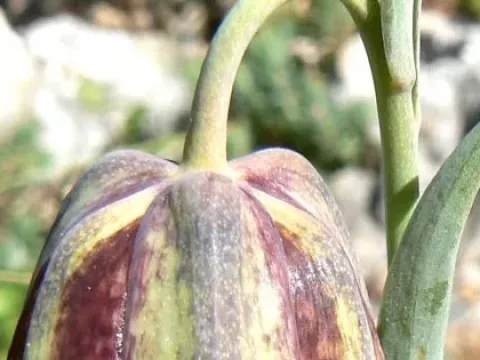
Spanish fritillary
Fritillaria hispanica
Planting of Spanish fritillary bulbs is best carried out in the autumn, when the soil temperature drops to 10 degrees Celsius. September and October are the most suitable months for root development before winter.
What the section contains
Spanish fritillary
Spring planting is discouraged as it often leads to weak growth and poor flowering performance in the first season. Adhering to the autumn schedule ensures the plant follows its natural biological cycle.
The planting depth should be roughly three times the diameter of the bulb. On heavier soil types, slightly shallower planting may be beneficial, whereas sandy soils allow for deeper placement.
Space the bulbs approximately 15–20 centimeters apart to prevent overcrowding. Adequate spacing ensures that each plant receives sufficient nutrients and enjoys proper air circulation.
Placing a layer of grit or river sand at the base of the planting hole is a standard practice to improve drainage and reduce the risk of rot affecting the basal plate of the bulb.
The Spanish fritillary is a perennial bulbous plant within the Lily family. It thrives in sunny locations that provide shelter from strong winds, ensuring stable conditions during the growth phase.
The soil must be fertile, well-draining, and rich in organic matter. Heavy clay soils should be amended with organic compost and grit to improve aeration and prevent the bulbs from sitting in water.
Optimal soil pH levels are neutral to slightly alkaline. Acidic soils require the addition of lime or wood ash to achieve the balance necessary for the healthy development of this species.
Watering should be managed with care; while the plants need consistent moisture during active growth, the soil must be allowed to dry out significantly during the summer dormant period.
In regions with harsh winters, covering the soil surface with a layer of mulch will protect the bulbs from extreme temperature fluctuations and excessive moisture penetration.
Fungal diseases are the primary threat, especially in damp conditions. Fusarium rot can cause significant losses, often starting from the basal plate and spreading throughout the entire bulb.
The lily beetle is a common pest that targets the foliage. Early detection and mechanical removal are effective strategies, though specialized insecticides may be required for severe infestations.
Small rodents can be a significant nuisance, as they often consume the bulbs. Protecting the bulbs with wire mesh or specialized baskets during planting is highly recommended to deter these pests.
To ensure plant health, strictly avoid planting in areas where drainage is poor. Always inspect bulbs for any signs of damage or fungus before incorporating them into the soil.
Regular sanitation, including the removal of diseased plant debris and dead foliage, is crucial to prevent the accumulation of pathogens and keep the planting area productive for many years.