
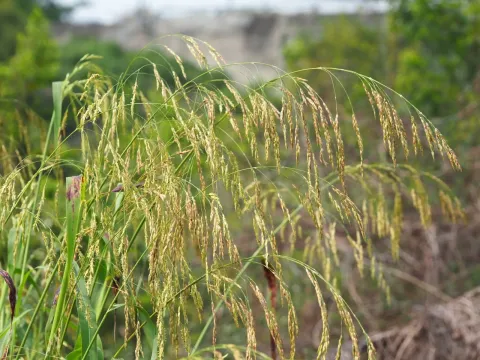
Sorghum verticilliflorum
Sorghum verticilliflorum
Sorghum verticilliflorum is a perennial grass species belonging to the Poaceae family. It is recognized for its robust growth habit and is a key ancestor of many cultivated sorghum varieties used globally for forage and grain production.
What the section contains
Sorghum verticilliflorum
Originating from the African tropics, the species has demonstrated an impressive ability to adapt to diverse climatic conditions, including arid and semi-arid environments where water availability is a limiting factor for traditional crops.
The plant thrives in warm climates and requires high solar radiation for optimal development. It is highly valued in agriculture for its ability to produce significant biomass during the peak of summer when other forage species might enter dormancy due to heat stress.
Regarding soil requirements, it prefers well-drained, fertile soils but shows remarkable tolerance to poor soil quality and moderate salinity, making it an excellent candidate for land reclamation and sustainable farming in challenging terrains.
Agricultural management should prioritize early-season weed control and proper nutrient management. Because it is highly responsive to fertilizers, split applications of nitrogen can significantly increase the total yield of dry matter per hectare.
Pathogenic threats include leaf blight and various forms of downy mildew, which are particularly prevalent in regions with high humidity levels and limited air circulation within the canopy.
Pests such as the sorghum midge and stem borers are major concerns for growers. These insects can cause substantial economic losses by damaging reproductive structures and weakening the plant's structural integrity.
Integrated Pest Management (IPM) strategies are essential, involving the use of pheromone traps, biological control agents, and the selection of insect-resistant cultivars to minimize reliance on synthetic pesticides.
Crop rotation remains the most effective cultural practice to disrupt the life cycles of soil-borne pathogens and prevent the buildup of specific pests that target the Poaceae family.
Field monitoring during the booting stage is critical, as this is when the crop is most susceptible to direct damage by feeding insects, requiring timely intervention to protect the yield potential.