
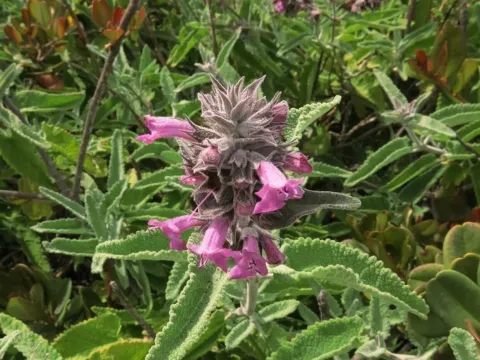
Sphacele
Sphacele
Propagation of Sphacele, a genus within the Lamiaceae family, is typically performed by sowing seeds in protected environments to produce healthy seedlings. Sowing is usually carried out in late winter or early spring to ensure adequate germination conditions.
What the section contains
Sphacele
Transplanting seedlings into open fields should be scheduled after the danger of late frost has passed. In warmer climates, planting can begin in mid-spring, allowing young plants to establish their root systems before the onset of summer heat.
Vegetative propagation via cuttings is a highly effective method for commercial production. Cuttings are harvested in early summer and rooted in specialized propagation beds using a well-draining nutrient substrate.
Planting density is determined by the specific growth habit of the cultivar, typically requiring 40–50 cm between plants within rows. Maintaining adequate spacing is crucial for airflow, which reduces the risk of fungal diseases.
Site preparation is a critical step in Sphacele cultivation. Incorporating organic matter into the soil in autumn and deep tilling help create an optimal environment for root development during the subsequent growing season.
Sphacele requires a high level of sunlight for optimal vegetative growth and secondary metabolite production. Choosing a site with full sun exposure is essential for maximizing the medicinal quality of the plant material.
The plant thrives in well-drained, fertile soils with a neutral to slightly acidic pH. Poor drainage is detrimental to Sphacele, as waterlogging often leads to root decay and overall plant decline.
Consistent, moderate moisture is vital during the growing season. While the genus exhibits some drought tolerance, supplemental irrigation is necessary during dry spells to ensure high yields of green biomass.
Climatic considerations are important for long-term survival, especially in temperate regions. Given its susceptibility to severe frost, Sphacele is often managed as an annual crop or protected with insulating materials during the winter months.
Strategic fertilization with phosphorus and potassium is beneficial during the period of intensive growth. Careful management of nitrogen levels is advised to promote healthy foliage without compromising the essential oil content.
The yield potential of Sphacele is highly dependent on agronomic management and site quality. With optimal conditions and regular maintenance, the crop can provide significant biomass volumes for industrial and medicinal use.
Peak productivity typically occurs during the second and third years of establishment. During this time, the plant architecture is fully developed, and the concentration of beneficial compounds in the leaves is at its highest.
Harvesting should be synchronized with the early flowering stage, as this is when the bioactive compounds are most abundant. Timely collection ensures that the raw material meets pharmaceutical standards for quality.
The plant possesses strong regenerative capabilities, allowing for multiple harvests per season in favorable climates. Proper irrigation and post-harvest fertilization are key factors in stimulating rapid regrowth for subsequent cuts.
Processing yield efficiency is improved by utilizing specialized drying techniques. Maintaining low temperatures during the drying process is critical to preventing the degradation of volatile aromatic compounds found in the leaves.
Fungal pathogens represent the most significant threat to Sphacele, particularly in high-humidity environments. Powdery mildew can affect leaf surfaces, necessitating prompt intervention to prevent spread across the plantation.
Root rot is a major issue associated with poor drainage and excessive irrigation. Preventive measures, including soil aeration and the use of biological fungicides, are effective in maintaining the health of the root system.
Pests such as aphids and spider mites are common concerns that target tender growth. Implementing integrated pest management (IPM) strategies, which prioritize biological controls, helps manage these populations effectively.
Insect damage not only reduces overall biomass but also creates pathways for secondary bacterial infections. Regular monitoring of the field is essential to detect outbreaks early and initiate corrective measures.
Adhering to strict crop rotation protocols is vital to preventing the buildup of soil-borne pathogens. Sphacele should not be planted in fields previously used by other members of the Lamiaceae family to minimize disease risk.
Harvesting Sphacele requires precision to ensure the longevity of the plant. Cutting should occur at a specific height above the ground to leave enough nodes for rapid regrowth and regeneration of the foliage.
Commercial harvesting is performed using mechanized harvesters adjusted to specific height settings. Cleanliness during the harvest process is important to minimize the contamination of the raw material with soil or debris.
Post-harvest logistics are crucial; fresh biomass should be transported to drying facilities immediately to prevent heating. Spontaneous heating in transport containers can significantly degrade the quality of the essential oils.
Sorting and cleaning the material to remove weeds and off-types is performed immediately upon delivery. Quality assurance protocols at this stage ensure that the final product meets market requirements for purity.
Storage of the dried product requires climate-controlled conditions, specifically low humidity and protection from light. Sealed, breathable packaging helps maintain the aromatic integrity and potency of the plant for extended durations.