
Sickle bush
Dichrostachys glomerata
Sickle bush (Dichrostachys glomerata) is a perennial deciduous shrub or small tree belonging to the Fabaceae family. It is native to a broad range of tropical regions, primarily throughout sub-Saharan Africa, where it plays a critical role in local ecosystems and agriculture.
What the section contains
Sickle bush
The plant thrives in a variety of soil types, ranging from sandy soils to heavier clay loams, provided they have adequate drainage. It exhibits remarkable drought tolerance, which is facilitated by its extensive taproot system designed to extract water from deep soil layers.
Optimal climatic conditions for this species are tropical or subtropical environments with warm temperatures throughout the year. It does not tolerate frost and prefers full sunlight for the best vegetative performance, often struggling in heavily shaded or low-light microclimates.
Cultivation practices involve minimal intervention once the plant is established, as it is naturally adapted to survive harsh conditions. However, young seedlings require protection from excessive competition by weeds to ensure they can develop sufficient size to withstand environmental pressures.
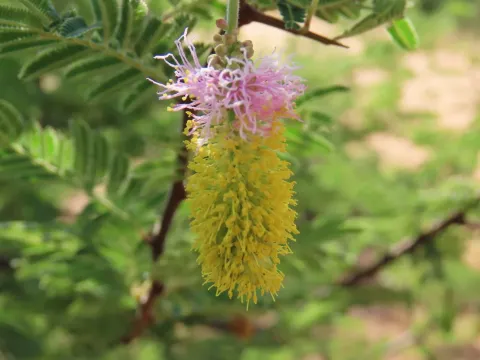
Botanically, the species is distinguished by its unique inflorescences, which resemble small, pendulous lanterns with pink and yellow flowers. These structures are highly attractive to bees and other pollinators, ensuring productive seed formation which is vital for the propagation of the species.
Sickle bush serves as a vital fodder resource for livestock, particularly during the dry season when grasses become scarce. Browsers such as goats and sheep readily consume the leaves and pods, which are rich in nutrients and protein necessary for animal maintenance.
In traditional medicine, various parts of the shrub, including roots, bark, and leaves, are used to treat a wide array of ailments. Scientific research indicates the presence of bioactive alkaloids and saponins that support its use in herbal health applications.
The timber of this plant is exceptionally dense and durable, making it highly valued for fence posts, tool handles, and construction materials. Due to its slow burning rate and heat output, it is also preferred as a high-quality fuel source in rural communities.
Harvesting for fodder or fuel usually involves coppicing, which is a pruning technique that encourages new growth and maintains the shrub in a productive state. This sustainable practice prevents the depletion of the plant and allows for repeated harvests over many years.
Seed harvesting occurs once the pods turn brown and begin to split. Due to the hard seed coat, successful germination usually requires pre-treatment, such as mechanical scarification or soaking in hot water, to break dormancy before planting in nurseries or fields.