
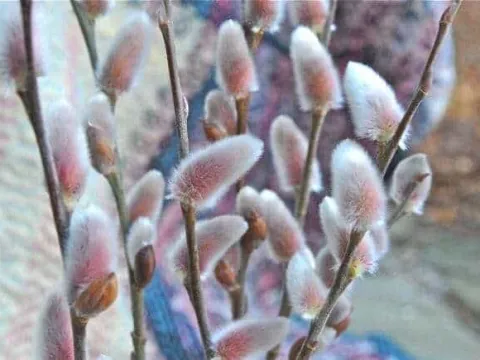
Salix glandulosa
Salix glandulosa
Propagation of Salix glandulosa is primarily achieved through vegetative methods using dormant hardwood cuttings. The ideal time for planting is early spring, just before the sap begins to flow, or late autumn after the foliage has dropped.
What the section contains
Salix glandulosa
Cuttings should be prepared by selecting healthy, straight shoots approximately 25–30 centimeters in length. Ensuring that at least two to three healthy buds remain above the soil surface after planting is crucial for the development of new shoots.
The soil should be prepared by loosening the top layer and ensuring good drainage. Cuttings are inserted into the ground, leaving only a small portion exposed, which helps protect the plant from harsh weather conditions and encourages deep root formation.
Consistent soil moisture is essential during the first few weeks after planting to ensure successful rooting. In regions with dry springs, supplemental irrigation may be necessary to support the plant until it establishes a robust root system.
Correct spacing is vital for the health of the plantation, allowing for proper air circulation and sunlight penetration. Depending on the intended use, planting density can be adjusted to maximize the yield of either biomass or decorative stems.
Salix glandulosa, a member of the Salicaceae family, is a moisture-loving species that thrives in environments near water bodies or in soils with high water tables. It is natively adapted to the temperate climates of East Asia.
The species performs best in fertile, loamy, or sandy-loam soils that are rich in organic matter. While it tolerates wet conditions well, the presence of proper drainage prevents water stagnation, which can lead to root rot in younger specimens.
As a heliophilic plant, Salix glandulosa requires full sunlight to achieve optimal growth rates and to maintain a dense, healthy canopy. Insufficient light can result in weak, elongated shoots that are more susceptible to damage from wind or snow.
This willow species is generally hardy and capable of withstanding moderate cold. However, in regions prone to severe winters, young plants may benefit from mulching around the base to protect roots from extreme soil freezing.
Ongoing maintenance includes regular weeding around the base of the plant to reduce competition for nutrients and water. Occasional applications of organic fertilizer in the spring can significantly boost the annual production of biomass.
The primary yield of Salix glandulosa consists of high-quality woody biomass, which is utilized for various industrial applications, including biofuel production and paper pulp. The rapid annual growth rate makes it a sustainable resource for energy needs.
In managed plantations, yields are optimized through regular rotational harvesting. By cutting back the plants periodically, growers stimulate the growth of fresh, vigorous stems, ensuring long-term productivity and resource renewal.
The willow's role in ecological restoration is significant; its yield is measured in soil stability and environmental protection. Its extensive root network effectively prevents erosion on riverbanks, providing long-term value beyond timber products.
For decorative or craft purposes, the plant produces flexible, smooth stems that are highly valued for basket weaving. Proper harvesting techniques ensure that the material remains free from defects, maximizing its marketability.
The sustained productivity of this crop over many years depends on proper site management and periodic rejuvenation of the rootstock. Maintaining healthy conditions ensures consistent yields of high-quality wood for a variety of purposes.
Salix glandulosa is susceptible to various fungal diseases, with willow scab being one of the most common issues. This disease leads to leaf spotting and can cause dieback of young shoots if left unmanaged during humid conditions.
Rust diseases are also prevalent, particularly when humidity levels are high and air movement around the plant is restricted. These fungal infections reduce the plant's photosynthetic efficiency, ultimately slowing down overall growth.
Insect pests, including various leaf beetles and aphids, can cause significant damage by feeding on young foliage and stems. Heavy infestations can weaken the plants, making them more vulnerable to secondary infections or environmental stress.
Integrated pest management, which includes cultural practices like thinning to improve airflow and timely removal of infected parts, is the most effective approach. Chemical interventions should be used sparingly to protect the local ecosystem.
Regular monitoring throughout the growing season is essential for early detection of potential threats. Maintaining a healthy, vigorous plant through proper soil and water management remains the best defense against pests and diseases.
Harvesting for craft purposes, such as weaving, is typically done during the dormant season. Cutting stems during winter or early spring ensures that the wood has the desired flexibility and strength required for high-quality work.
For biomass or fuel production, harvesting is often mechanized, with machines performing the cutting and chipping process simultaneously. This approach ensures efficiency and high throughput for large-scale energy plantations.
Post-harvest handling is critical to preserve wood quality. Material should be stored in dry, well-ventilated areas to prevent rot and to reach the desired moisture content for storage or immediate processing.
Timing is crucial; harvesting during the growing season is generally avoided to ensure the plant has enough energy to regenerate effectively for the following year. Precise cuts promote even regrowth from the base of the stool.
Proper waste management after harvesting is necessary to prevent the accumulation of diseased plant matter. Clearing the field of debris helps maintain a clean environment and sets the stage for the next cycle of growth.