
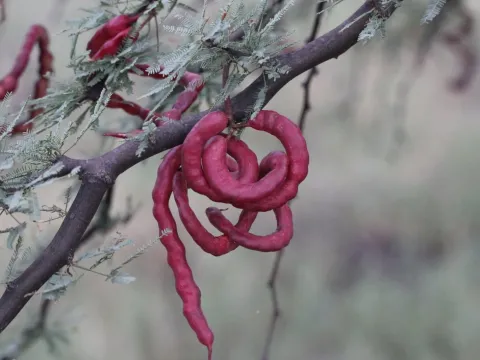
Prosopis calden
Prosopis calden
Prosopis calden is a woody legume native to the arid and semi-arid regions of central Argentina. This species is an essential element of the dry forests known as the Caldenal, demonstrating remarkable environmental adaptability.
What the section contains
Prosopis calden
The tree thrives in regions with significant temperature fluctuations and low annual rainfall. It is genetically programmed for survival in harsh conditions through an extensive root system capable of penetrating deep into the soil.
Suitable soil conditions include sandy or sandy-loam compositions with excellent drainage. Prosopis calden is tolerant of alkaline soils, making it a viable candidate for land rehabilitation projects.
Agricultural management requires careful planning of planting density to ensure proper canopy development. Seedlings benefit from minimal competition with herbaceous plants during the first two years of establishment.
The species acts as a nitrogen fixer, which improves the nutrient content of the soil, making it a sustainable choice for integration into agroforestry systems where soil enrichment is prioritized.
The wood of Prosopis calden is highly valued for its durability, hardness, and decorative grain, making it a premium material for carpentry, high-end furniture, and ornamental woodwork.
The fruit, consisting of protein-rich pods, serves as a traditional fodder source for cattle, especially during the dry season when pastures provide limited nutritional value.
As an apicultural resource, the trees provide nectar for bees, resulting in high-quality honey with unique organoleptic properties that are highly prized in local markets.
Beyond timber and feed, the tree plays a vital role in soil conservation, effectively reducing wind erosion and acting as a barrier in open landscape management.
The integrated management of these trees allows for a diversified income stream for farmers, combining forestry, livestock support, and honey production in a single operation.
Insects, particularly beetles targeting seed development, represent a major challenge for natural regeneration. Seed treatments are often necessary before large-scale planting.
Poorly drained soils pose a risk of root rot, especially during seasons with unusual precipitation patterns, which can weaken the tree's defensive systems against pathogens.
Herbivory by both wild animals and domestic livestock is a major threat to juvenile trees. Physical barriers or protection cages are essential until the tree reaches sufficient height.
Invasive weed species can outcompete young Prosopis plants for water and nutrients, which is why regular weeding and soil maintenance are crucial in the early stages.
Pathogen spread is usually limited by the tree's natural resilience, but sanitary pruning remains a best practice to remove dead branches and improve tree health.