
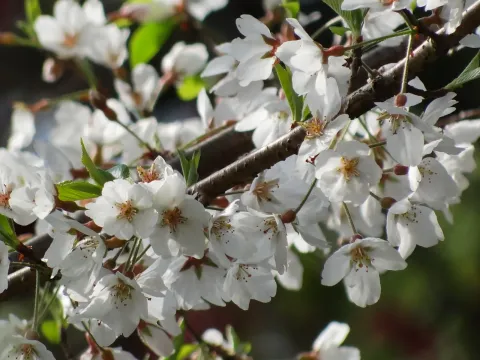
Prunus spachiana
Prunus spachiana
Prunus spachiana is an ornamental deciduous tree belonging to the Rosaceae family. Renowned for its delicate blossoms and elegant weeping or spreading form, it is highly sought after for horticultural applications in temperate regions.
What the section contains
Prunus spachiana
Originating from East Asia, this species has been cultivated extensively for its aesthetic value. It thrives in temperate zones where winters are cold enough to trigger dormancy but not severe enough to kill the flowering buds.
Optimal growth requires full sun exposure and well-drained, fertile soil. Exposure to at least six hours of direct sunlight is necessary to encourage maximum floral density during the spring flowering season.
Soil quality is paramount; the tree prefers neutral to slightly acidic substrates. It is essential to ensure that the site has a high degree of aeration, as compaction often leads to root distress and susceptibility to pathogens.
Consistent irrigation is required during the first years of establishment. Once matured, the tree demonstrates moderate drought tolerance, though supplemental watering during prolonged dry spells remains highly recommended to maintain foliage health.
Common pathological threats include fungal infections such as brown rot and leaf spot. These pathogens thrive in high humidity and can cause significant foliage loss if not managed with appropriate fungicide applications.
Pests such as aphids and scale insects are frequent visitors, sucking sap from tender new growth. Integrated pest management strategies, including the introduction of natural predators or targeted horticultural soaps, are recommended.
Pruning must be performed with sterilized tools to prevent the transmission of viral or fungal infections. It is best to conduct pruning after the flowering phase to ensure proper healing and vegetative development.
Root rot is a major physiological threat often associated with poor drainage. Implementing a rigorous irrigation management plan and selecting appropriate planting sites can drastically reduce the risk of root-related complications.
Winter injury, including frost cracks on the trunk, can occur in regions with fluctuating spring temperatures. Protective measures such as painting the trunk with white latex paint or using tree wraps can help mitigate these risks.