
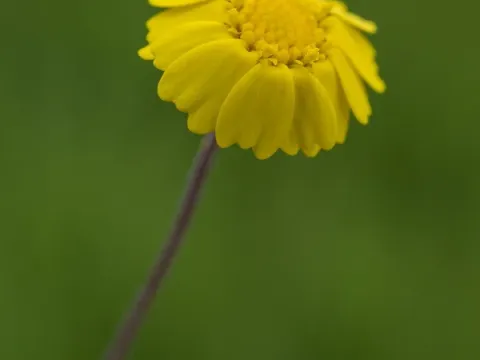
Prolongoa pectinata
Prolongoa pectinata
Prolongoa pectinata is an annual herbaceous plant belonging to the Asteraceae family. It is a native species to the Iberian Peninsula, specifically found in the arid and rocky habitats of Spain and Portugal.
What the section contains
Prolongoa pectinata
The plant thrives in full sun exposure and requires well-drained, sandy, or rocky soil conditions. It is highly adapted to poor soil qualities, making it suitable for areas where nutrient-rich environments are not available.
Climatic requirements focus on a Mediterranean climate, characterized by warm, dry summers and mild winters. The species is exceptionally drought-tolerant and can endure high temperatures without significant damage to its vegetative structure.
Its botanical profile features finely divided, comb-like leaves (pectinate foliage) and bright yellow flower heads. These features make it not only scientifically interesting but also aesthetically pleasing for arid garden designs.
Economically, the species is primarily utilized in niche horticulture and landscape restoration projects. Its ability to grow in challenging soils helps prevent surface erosion and maintains soil stability in hilly regions.
Sowing should take place in spring once the soil temperature is sufficiently warm, typically around 15 degrees Celsius. Seeds should be sown at a very shallow depth, as light is essential for their germination.
Preparation of the seedbed involves creating a loose, well-draining environment. Avoid the incorporation of excessive organic matter, as the plant prefers nutrient-poor soils and is susceptible to damp conditions.
Space the plants adequately to allow for good airflow, which is critical to preventing fungal issues. In industrial or seed-production settings, orderly rows help facilitate easier weeding and maintenance.
Direct sowing is preferred over transplanting because the species develops a specific root system that is sensitive to disturbance. Proper timing of sowing ensures that the plant matures before the extreme heat of summer.
Irrigation during the initial germination phase should be light and consistent. Once established, the plants require minimal to no supplemental watering, relying instead on natural moisture cycles.
The main threats to Prolongoa pectinata include root rots caused by waterlogged soil. Proper drainage is the primary defense against these fungal pathogens, which can destroy the root system rapidly.
Aphids are the most common insect pests that may target the inflorescences during the active blooming season. They drain plant fluids, potentially weakening the plant and reducing the quality of seed production.
Powdery mildew can occur during periods of high humidity, particularly if plants are overcrowded and lack adequate ventilation. Ensuring proper spacing is a key management strategy for preventing such outbreaks.
Slugs and snails can pose a risk to tender seedlings during the early stages of growth. Applying a layer of crushed gravel around the plants acts as a mechanical deterrent, protecting them from these mollusks.
Effective management includes regular field inspections. Early detection of any yellowing leaves or wilting allows for quick remedial actions, such as isolating the affected area to protect the rest of the crop.