
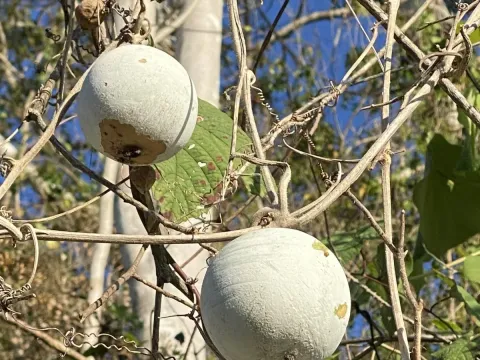
Praecitrullus
Praecitrullus
Praecitrullus, commonly known within the broader group of cucurbits, requires warm soil temperatures of at least 15–18 degrees Celsius for successful seed germination.
What the section contains
Praecitrullus
The optimal planting time in the field occurs when all risks of frost have completely passed, as these plants are highly sensitive to cold weather conditions.
In regions with shorter growing seasons, starting seeds in containers indoors 25–30 days before the projected transplant date is a recommended professional practice.
When sowing directly into the ground, seeds should be placed at a depth of 3–5 centimeters, ensuring the soil remains consistently moist until the initial sprouts appear.
Wide spacing between rows is essential to allow the vines to spread and to ensure adequate sunlight penetration and airflow, which minimizes the risk of leaf diseases.
As a member of the Cucurbitaceae family, Praecitrullus is known for its remarkable heat and drought tolerance, making it ideal for arid and semi-arid cultivation zones.
The crop thrives best in light, sandy-loam soils with a neutral pH, which provide the necessary aeration and prevent moisture from pooling around the roots.
Full sun exposure is a non-negotiable requirement, as any significant shading will drastically reduce photosynthesis rates and delay the development of the fruit.
Water management is critical; although the plant is drought-resistant, consistent moisture during the flowering and fruit-setting stages significantly improves crop quality.
Extreme temperature fluctuations can stress the plant, so choosing a sheltered, sun-drenched site that retains heat overnight is beneficial for overall growth performance.
The primary agricultural value of Praecitrullus lies in its ability to produce consistent harvests under conditions that would otherwise cause failure in more moisture-dependent crops.
Yield potential is enhanced by implementing intensive agricultural practices, such as fertigation and mulching, which help maintain optimal soil conditions throughout the cycle.
The compact nature of the fruit makes harvesting significantly more efficient, reducing labor costs and simplifying the handling process for commercial growers.
Strategic nutrient application, particularly potassium during the fruit-filling phase, results in higher-quality produce with improved firmness and overall shelf-life.
Proper harvest scheduling ensures that the maximum yield is collected at the peak of quality, preventing the fruit from becoming overripe on the vine.
Powdery mildew represents the most frequent fungal challenge, especially when high humidity levels combined with poor airflow occur within the plant canopy.
Soil-borne pathogens like Fusarium can lead to plant wilting, which is why strict adherence to crop rotation cycles is mandatory for any successful operation.
Common pests such as aphids and spider mites can rapidly infest plants during hot, dry spells, necessitating proactive monitoring and timely intervention.
Implementing a biological control strategy, such as using beneficial insects or specialized organic soaps, can effectively manage pest populations without damaging the ecosystem.
Integrated Pest Management (IPM) practices provide the most sustainable path for protecting the crop while ensuring compliance with safety standards for harvestable goods.
Harvesting is performed manually through multiple passes over the field to ensure that only the fruits that have reached optimal maturity are picked.
Field maturity is characterized by the stabilization of the fruit size and a distinct color change in the outer rind, signaling that the interior is ready for consumption.
Cutting the stems with a clean, sharp blade rather than pulling the fruits helps maintain the integrity of the stem end, preventing common post-harvest storage rot.
After collection, fruits should be stored in a cool, shaded environment to reduce respiratory heat and prevent rapid dehydration of the harvested products.
Proper sorting and grading based on weight and appearance allow growers to better meet market expectations and increase the overall commercial value of the harvest.