
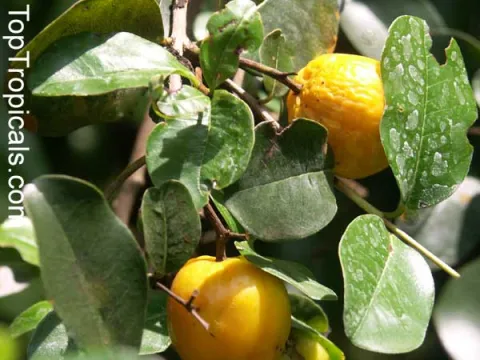
Pseudanamomis
Pseudanamomis
Pseudanamomis is a genus of evergreen woody plants that belongs to the Myrtaceae family. These plants are characterized by their distinct botanical structure, typical of tropical flora native to the Caribbean region.
What the section contains
Pseudanamomis
The natural habitat of this genus is restricted to specific tropical island environments. The plants have evolved to thrive in high-humidity ecosystems where the annual rainfall distribution is relatively consistent.
For successful growth, the cultivation environment must replicate tropical conditions. This includes keeping ambient temperatures within a warm, narrow range and preventing exposure to cold air or frost, which are fatal to the species.
Soil requirements for Pseudanamomis involve highly permeable, organic-rich substrates. A well-structured soil profile ensures that the roots have sufficient oxygen access, preventing the suffocating conditions often found in compact clay soils.
Watering practices should focus on maintaining a constant, moderate moisture level. The species requires protection from intense mid-day sun, preferring filtered light to mimic the understory environment of their native forests.
Fungal pathogens represent the most significant threat to the health of Pseudanamomis, particularly when environmental ventilation is poor or humidity levels remain excessively high.
Pests such as scale insects and mealybugs can infest the plant, extracting sap from tender shoots and causing premature leaf drop or distorted growth.
Root rot is a critical threat often caused by over-irrigation or inadequate drainage systems in the potting media, leading to severe decay of the vascular tissues.
Proactive management of these threats involves frequent visual inspection of the plant architecture and maintaining optimal spacing to promote air circulation.
Integrated pest management strategies are recommended, utilizing biological controls before resorting to chemical interventions to avoid damaging the plant's delicate physiology.