
Pseudoberlinia
Pseudoberlinia
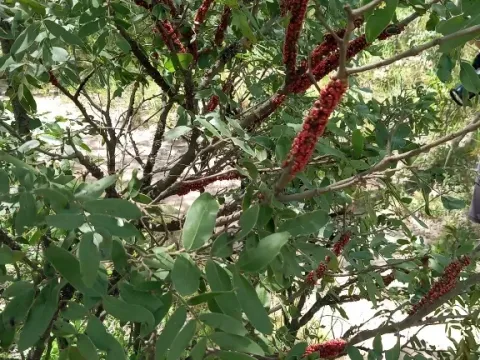
Pseudoberlinia is a genus of trees belonging to the family Fabaceae, subfamily Caesalpinioideae. This botanical group is primarily native to the tropical regions of Africa, thriving in specific forest biomes that provide a stable environment.
What the section contains
Pseudoberlinia
The climate requirements for this species are centered around consistently high temperatures and significant annual precipitation. Pseudoberlinia is not frost-tolerant and requires frost-free conditions throughout the year to maintain healthy growth cycles.
Soil requirements are relatively specific, favoring well-drained, nutrient-rich soils. The species does not thrive in waterlogged conditions, which makes site selection critical for successful establishment in forestry plantations.
For optimal development, the soil pH should be maintained within a slightly acidic to neutral range. The presence of appropriate soil microflora is often essential for the tree's health, as it assists in nutrient uptake through root-associated processes.
As a light-demanding species, Pseudoberlinia benefits from adequate sunlight exposure, although young seedlings may require some protection from intense direct radiation during the initial stages of establishment in open areas.
The primary economic use of Pseudoberlinia is in the timber industry. The wood is recognized for its durability and aesthetic qualities, making it a preferred choice for high-quality furniture, flooring, and interior design projects.
Harvesting strategies are based on long-term forestry management plans. These trees are typically harvested when they reach a specific maturity size, ensuring that the wood has achieved the density and strength characteristics desired by end-users.
Post-harvest processing involves careful seasoning and drying techniques. This stage is crucial to ensure that the wood stabilizes, minimizing the risk of warping or cracking during the manufacturing process.
Sustainability is a core component of harvesting this species. Modern forestry practices focus on selective logging and reforestation to ensure that Pseudoberlinia populations remain stable and productive for future generations.
Beyond timber, ongoing research continues to explore the potential utilization of other parts of the plant, including secondary metabolites found in the bark and leaves, which may have applications in chemical and medicinal fields.