
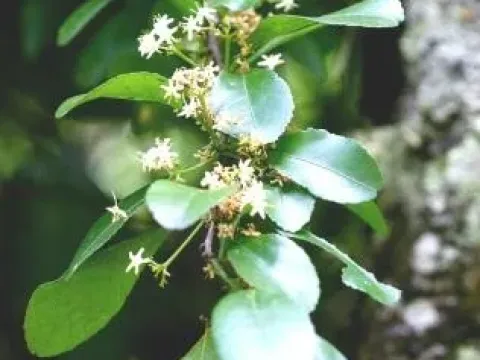
Maytenus mossambicensis
Maytenus mossambicensis
Maytenus mossambicensis is a shrub or small tree belonging to the Celastraceae family. It is native to the coastal and tropical forest regions of Eastern and Southern Africa, specifically occurring in countries like Mozambique and surrounding areas.
What the section contains
Maytenus mossambicensis
The plant thrives in warm, humid tropical environments. It requires significant sunlight for optimal growth but is known for its resilience and ability to tolerate diverse conditions, including light shade during its early stages of development.
Regarding soil conditions, this species is relatively hardy. It prefers deep, well-drained loamy soils but shows an ability to adapt to varying compositions. Proper drainage is essential, as the plant is sensitive to waterlogging in the root zone.
Agricultural management involves regular watering during the establishment phase and in dry seasons to promote vegetative growth. Pruning is often practiced to manage height and density, particularly when the shrub is cultivated for foliage or bark harvest.
The economic value of Maytenus mossambicensis is largely tied to its ethnobotanical and potential pharmaceutical uses. Various parts of the plant, including the roots and leaves, are utilized for their chemical constituents, which are being researched for anti-inflammatory properties.
The plant can be susceptible to common tropical pests such as aphids, mealybugs, and scale insects. These pests feed on succulent tissues, potentially leading to stunted growth if left unmonitored.
Fungal pathogens like leaf spot or anthracnose may occur during high-humidity periods. Implementing proper spacing between individual plants is a critical preventive measure to improve airflow and reduce infection risk.
Root rot represents a major threat in soils with poor drainage. It is crucial to monitor soil moisture levels constantly, especially in intensive plantation settings where irrigation systems are in use.
Integrated pest management (IPM) is recommended for this crop to minimize the use of heavy chemicals, ensuring that the final harvested material remains suitable for medicinal or cosmetic product development.
Regular monitoring and rapid identification of pests or symptomatic foliage allow for localized treatment, protecting the overall health of the plantation and ensuring consistent yield levels.