
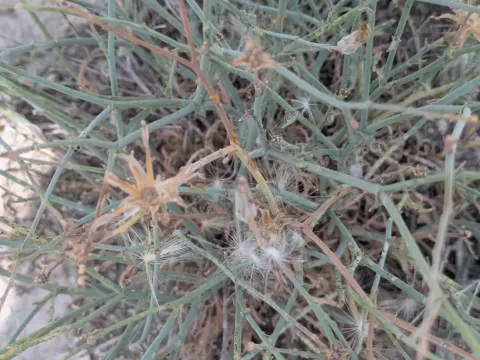
Launaea fragilis
Launaea fragilis
Launaea fragilis is a perennial herbaceous plant belonging to the Asteraceae family. It is specifically adapted to arid and semi-arid environments, where it serves as a resilient component of desert flora.
What the section contains
Launaea fragilis
The plant exhibits unique morphological adaptations to minimize transpiration, including specialized stem structures and a deep root system. These features allow it to thrive in nutrient-poor soils where water availability is the primary limiting factor for plant growth.
Regarding soil requirements, this species favors sandy, well-drained substrates. It is exceptionally tolerant to salinity, making it a potential candidate for land reclamation in regions suffering from desertification and secondary salinization.
Climate-wise, Launaea fragilis requires high levels of solar radiation and is capable of enduring extreme heat fluctuations. Its lifecycle is synchronized with the limited rainfall patterns of its native range in Northern Africa and Western Asia.
Agricultural use of this species is largely centered on extensive pastoralism. It provides essential forage for nomadic herds, particularly when other vegetation sources are scarce, contributing to the stability of desert livelihoods.
The most significant threat to Launaea fragilis populations is overgrazing, which depletes the plants before they can complete their seed production cycle. This prevents natural regeneration and leads to a decline in biodiversity.
Pathogenic threats include soil-borne fungal diseases that manifest during unseasonably wet periods. Excessive soil moisture often leads to root collar rot, which can be fatal to mature plants accustomed to drier conditions.
Pest pressures are mainly exerted by specialized insect herbivores, such as aphids and certain Coleoptera species that target the succulent tissues of the plant. These pests can significantly reduce the nutritional value of the foliage.
Environmental degradation and human-induced habitat loss are major long-term risks. The conversion of desert lands for industrial or urban development directly impacts the remaining natural stands of this species.
Implementing rotational grazing management is the primary strategy to mitigate these threats. By allowing sufficient rest periods for the rangeland, farmers can ensure the sustainable survival of this hardy and beneficial desert plant.