
Lappula marginata
Lappula marginata
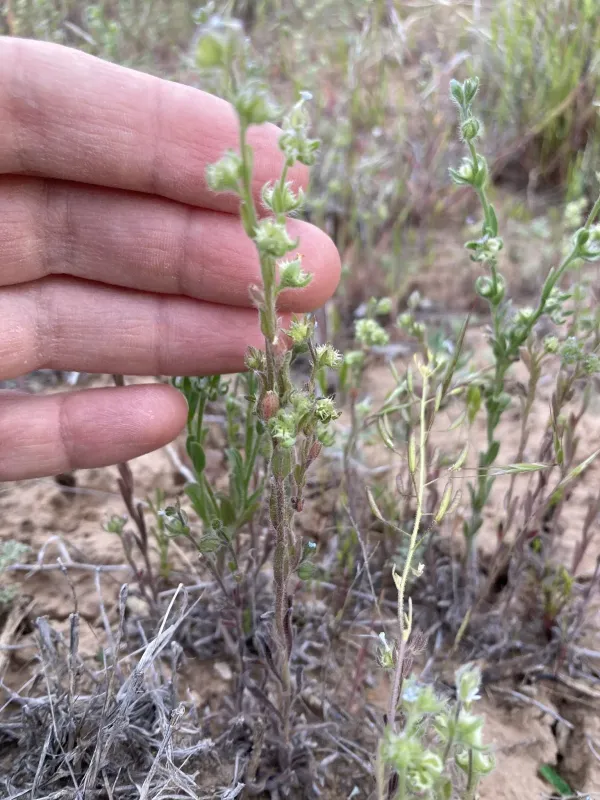
Description
Sowing dates
Lappula marginata is a spring annual weed that typically germinates in early spring. The seeds require temperatures of at least 5 degrees Celsius to break dormancy and begin the germination process in the field.
Seedlings emerge rapidly, taking advantage of soil moisture availability in the early part of the growing season. This quick start allows the plant to establish its taproot system before the peak heat of summer.
The flowering period is extended, generally occurring from May through mid-summer. This phenological trait makes it a persistent weed in many crop systems, as it can produce seeds over several weeks.
Growth rate is highly dependent on light availability. In sparse or thinning crop stands, the weed exhibits accelerated vegetative growth to outcompete neighboring plants.
Successive waves of emergence can occur after significant rainfall events, necessitating integrated weed management strategies to cover the entire growing season.
Growing requirements
The species belongs to the Boraginaceae family and is well-adapted to dry, temperate environments. It prefers well-drained, sandy or gravelly soils where water does not stagnate.
Regarding climatic needs, Lappula marginata thrives in open areas with high solar radiation. It is considered a heliophilous species that performs poorly under the shade of dense crop canopies.
Soil pH levels should ideally be neutral, although the plant has shown an ability to colonize slightly alkaline environments. It is moderately drought-tolerant due to its deep taproot.
Nutrient requirements are relatively low compared to high-yielding crops, allowing it to survive in nutrient-poor soils where competitive pressure from more demanding plants is reduced.
Its natural range encompasses steppes and semi-arid regions of Eurasia, where it is frequently observed in fallow lands, field edges, and along disturbed transport corridors.
Main diseases and pests
Lappula marginata can be susceptible to various fungal pathogens, particularly powdery mildew, which can significantly reduce its vigor during wet and humid growing conditions.
Insect pests such as leaf-eating beetles and specific larvae can cause substantial damage to the leaves, slowing the plant's reproductive cycle and overall development.
Viruses transmitted by aphid populations can lead to chlorosis and stunted growth, potentially limiting the spread of the weed in certain agricultural settings.
Mechanical destruction of the plant before seed set is the most effective biological control method to prevent further infestation in the subsequent years.
- Increased risk of fungal leaf spots.
- Susceptibility to stem-boring insects.
- Impact of systemic herbicides.
- Competition from beneficial soil bacteria.
- Sensitivity to heavy shade conditions.