
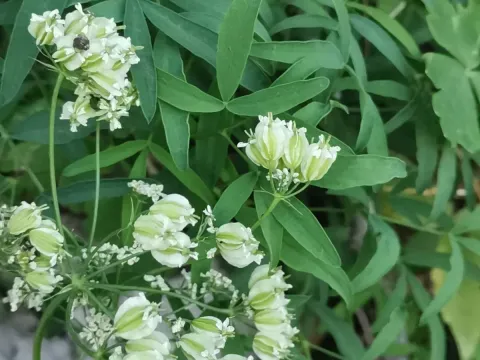
Laserpitium peucedanoides
Laserpitium peucedanoides
Laserpitium peucedanoides belongs to the Apiaceae family and is recognized as a hardy perennial herb. Its natural habitat is primarily mountainous regions, where it has adapted to thin, stony, and calcareous soil profiles.
What the section contains
Laserpitium peucedanoides
Successful cultivation of this species requires a well-drained substrate, as the plant is highly susceptible to root decay when exposed to waterlogged conditions. The soil composition should ideally be loose and have a neutral or slightly alkaline reaction to mimic its native alpine environment.
Sunlight exposure is a critical factor for the healthy development of this crop. The plants thrive in open, well-ventilated areas where they can receive maximum photosynthetic light, preventing the etiolation of the stems.
The crop exhibits significant cold tolerance, making it suitable for regions with harsh winter climates, provided the soil remains free of excessive standing water. Agronomic management involves maintaining minimal competition from weeds during the establishment phase.
Fertilization should be managed carefully, favoring mineral-rich but low-nitrogen inputs. This approach ensures steady vegetative growth and avoids the development of overly succulent tissues that might be prone to environmental stress.
The primary threats to Laserpitium peucedanoides are fungal pathogens, specifically those causing root rot and damping-off. These diseases are most prevalent in soil with poor structure and inadequate aeration during the rainy season.
Pests commonly associated with the Apiaceae family, such as aphids and specific moth larvae, can inflict damage on foliage and reproductive structures. These pests require integrated pest management strategies to mitigate yield losses.
Powdery mildew represents a recurring issue when humidity levels are high and air circulation is insufficient. Thinning out plantings is a standard preventive measure to maintain plant health and reduce infection risks.
Nematode infestations can weaken the crop by feeding on the root system, leading to stunted growth and yellowing of the foliage. Crop rotation and soil sanitation are vital practices for preventing the build-up of these soil-borne pests.
Monitoring for signs of systemic infection or nutrient deficiency is essential for crop longevity. Early identification of stressors allows for targeted interventions that preserve the health and productivity of the perennial population.