
Lasiochloa
Lasiochloa
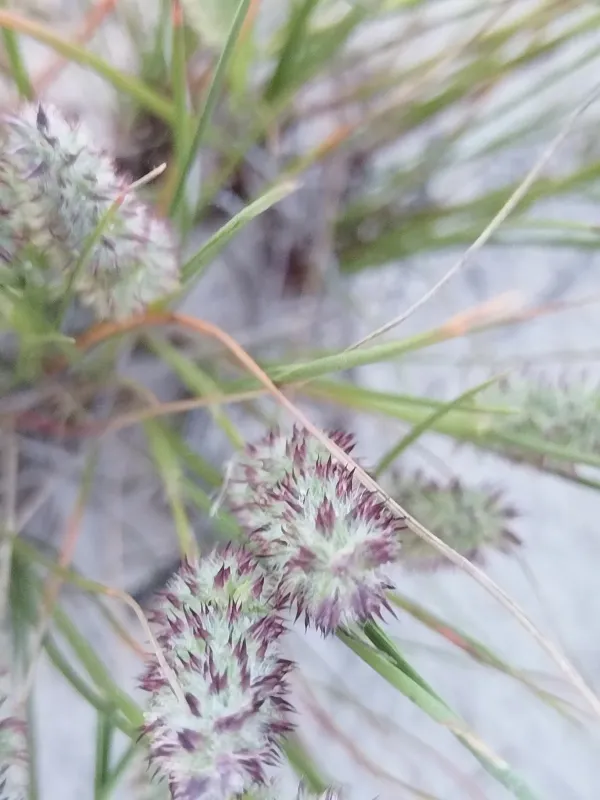
Description
Growing requirements
Lasiochloa is a genus of perennial grasses belonging to the Poaceae family. These plants are primarily native to the southern regions of Africa, where they are well-adapted to diverse environmental conditions ranging from dry grasslands to arid plains.
The botanical structure of Lasiochloa is characterized by its compact, tufted growth habit and dense inflorescences. This morphology allows the plant to thrive in harsh environments by conserving resources and maintaining structural integrity during periods of thermal stress.
Regarding soil requirements, Lasiochloa prefers well-drained, porous substrates. It shows high tolerance for nutrient-poor soils, making it a robust pioneer species in degraded landscapes that require stabilization through vegetation cover.
The climate requirements for this culture include high levels of solar exposure and a preference for regions with distinct dry and wet cycles. It is naturally equipped to handle significant diurnal temperature fluctuations typical of its geographic origin.
In terms of agricultural utilization, Lasiochloa serves primarily as a forage resource for livestock in extensive pastoral systems. Its resilience to grazing pressure makes it a valuable plant for sustainable pasture management in arid and semi-arid climates.
Main diseases and pests
Diseases affecting Lasiochloa are often linked to pathogenic fungi that thrive in humid microclimates. Managing the stand density and ensuring adequate ventilation are critical cultural practices to prevent the spread of fungal outbreaks.
Insect pests such as grasshoppers and root-feeding larvae can impact the biomass yield. Monitoring pest populations is essential to ensure that the ecological balance of the pasture is maintained, preventing excessive damage to the grass cover.