
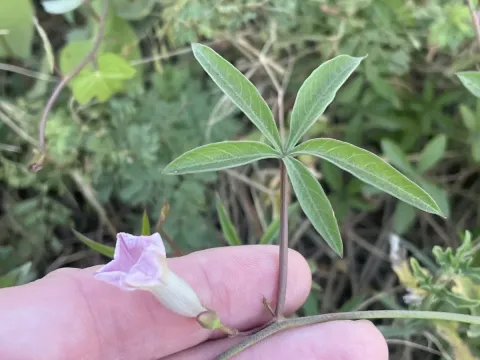
Ipomoea heptaphylla
Ipomoea heptaphylla
Sowing Ipomoea heptaphylla seeds is best performed in spring once the soil temperature consistently stays above 15 degrees Celsius. In cooler regions, starting seeds in containers indoors is highly recommended to give the young plants a head start before moving them outdoors.
What the section contains
Ipomoea heptaphylla
The seeds have a hard seed coat, making pre-sowing treatment like scarification or soaking in warm water for 24 hours very effective for germination. Seeds should be planted at a depth of 1.5 to 2 centimeters, ensuring sufficient spacing to allow for the plant's natural vining habit.
Maintaining consistent moisture in the growing medium is crucial during the germination phase, though overwatering must be avoided to prevent seed rot. The sowing area should be selected for maximum daily sunlight exposure to support vigorous early growth.
Transplanting seedlings to their permanent location should only occur after all risks of frost have passed. Setting the plants out into cold soil often leads to stunted root development and increases the risk of mortality for young seedlings.
In a professional cultivation setting, spacing between rows should be carefully managed to ensure adequate air circulation. Good airflow is vital for the health of the plants, as it significantly reduces the likelihood of fungal outbreaks in dense vegetation.
Ipomoea heptaphylla, a member of the Convolvulaceae family, is a heat-loving plant that thrives in well-draining, light, fertile sandy or loamy soils. It prefers a neutral to slightly acidic pH to ensure proper nutrient uptake throughout the growing season.
Abundant sunlight is a critical requirement for this species. In shaded conditions, the plant tends to become leggy, loses its structural strength, and produces significantly fewer blossoms, which undermines its horticultural value.
While the plant shows moderate drought tolerance once established, it requires regular watering during the active growth phase to maintain its vigor. It is important to avoid excessive nitrogen fertilization, as this encourages vegetative growth at the expense of flower production.
As a climbing species, Ipomoea heptaphylla relies on support structures. Installing vertical trellises, nets, or stakes allows the plant to spread its foliage optimally, ensuring that every leaf receives adequate light exposure for efficient photosynthesis.
The ideal temperature range for growth is between 20 and 28 degrees Celsius. Growth slows down considerably below 10 degrees Celsius, which is why choosing a location sheltered from cold winds is essential for consistent development in temperate climates.
The primary pests affecting Ipomoea heptaphylla are spider mites and aphids, which thrive in low-humidity environments. Regular monitoring and the application of appropriate systemic insecticides are recommended as soon as the first signs of infestation are detected.
Fungal infections such as white rust or various leaf spots often occur when the microclimate becomes too humid or air circulation is restricted. Removing affected leaves and improving ventilation are standard practices to prevent the spread of these pathogens.
Viral diseases, which are typically spread by insect vectors, can cause leaf distortion and color variations. Since there is no cure for viral infections, prevention through pest management and using clean propagation tools is the only reliable control method.
Root rot remains a significant threat in heavy, waterlogged soils where drainage is inadequate. Ensuring that the soil structure is light and providing a proper drainage system are the most effective ways to mitigate the risk of root health issues.
Nematodes may also impact the root system if the plants are grown in the same plot year after year. Implementing a proper crop rotation cycle is essential to manage soil-borne threats and maintain the long-term health of the plant population.