
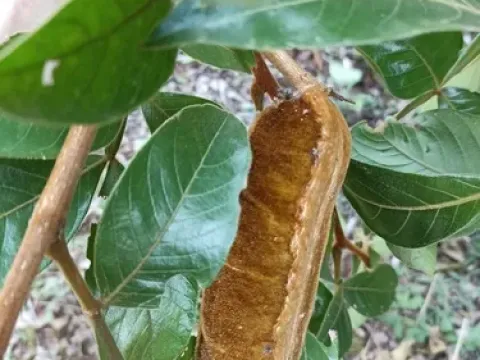
Inga sinacae
Inga sinacae
Inga sinacae is a tree species classified within the Fabaceae family, specifically within the mimosoid clade. It is native to the cloud forests of Mexico, which dictates its specific environmental preferences and limited natural distribution.
What the section contains
Inga sinacae
The tree thrives in tropical climates characterized by high annual rainfall and consistent temperatures. It requires fertile, well-draining soils and is particularly sensitive to soil compaction or waterlogging in the root zone.
A key biological trait of Inga sinacae is its ability to form symbiotic relationships with nitrogen-fixing bacteria. This makes it an ideal candidate for soil restoration programs and sustainable agroforestry projects.
The botanical structure consists of pinnate leaves and elongated pods. The tree is generally known for its rapid growth rate under favorable conditions, often providing canopy cover for shade-loving crops such as coffee or cocoa.
In terms of agricultural management, the tree requires periodic pruning to maintain its form and maximize the production of organic mulch. This mulch helps to conserve soil moisture and suppress the growth of competitive weed species.
Root rot pathogens represent the most significant threat to Inga sinacae cultivation, particularly in areas where soil aeration is insufficient. Proper field design and drainage are essential.
Defoliating insects can occasionally cause damage to the foliage of young trees. Integrated pest management strategies, emphasizing biodiversity within the plantation, are recommended to control these populations.
Weed competition during the establishment phase is a critical challenge. Young saplings must be kept free of aggressive grasses that may compete for light, water, and essential soil nutrients.
Nutrient imbalances, particularly localized deficiencies in micronutrients, can lead to stunted growth. Periodic soil testing ensures that the necessary mineral balance is maintained for the tree's health.
Environmental stress, such as prolonged droughts or unexpected cold snaps outside the tree's typical native range, can significantly weaken its resilience and make it susceptible to secondary infections.