
Phyla dulcis
Phyla dulcis (Trevir.) Moldenke
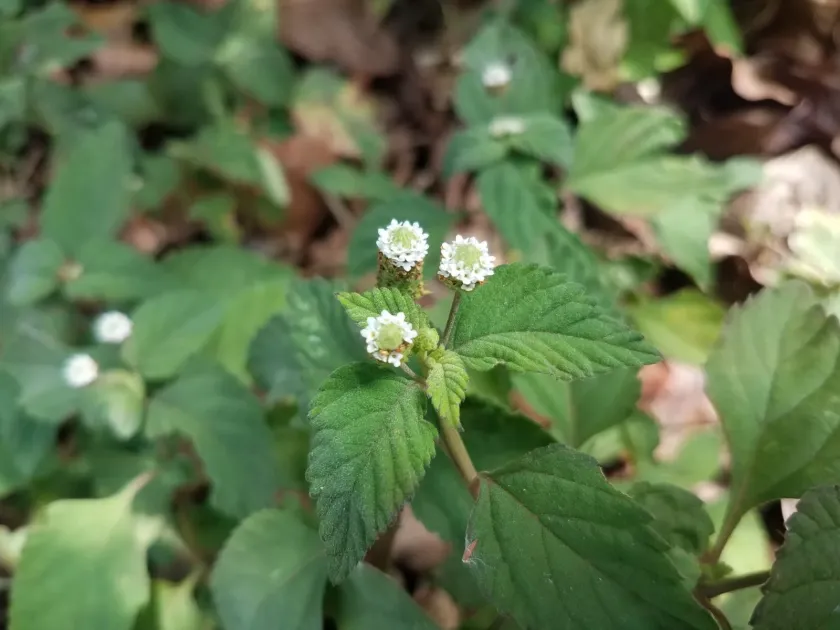
Description
Sowing dates
Propagation of Phyla dulcis is primarily achieved through cuttings, as this method ensures the preservation of the plant's desirable traits and rapid establishment.
While seeds can be used, they often exhibit irregular germination rates, making vegetative propagation the preferred choice for commercial and domestic cultivation.
Cuttings should be planted in a well-draining, sterile substrate and kept in a warm, humid environment until a robust root system develops.
Transplanting into the garden or final containers must occur only after all risks of frost have passed, as the plant is highly sensitive to cold.
Proper spacing is essential to allow for the horizontal spread of the plant, as it develops long, trailing stems that root at the nodes when in contact with soil.
Growing requirements
Belonging to the Verbenaceae family, Phyla dulcis is native to tropical regions of Central and South America, necessitating a warm and humid environment.
The plant thrives in full sun, which is critical for maximizing the production of hernandulcin, the compound responsible for its intense sweetness.
Soil requirements include a rich, loamy, and well-aerated medium with a slightly acidic to neutral pH for optimal nutrient uptake.
Consistent moisture is key; the soil should be kept damp but never waterlogged to avoid the development of root pathogens.
In cooler climates, Phyla dulcis must be grown in containers that can be moved indoors during the winter, as it cannot survive freezing temperatures.
Yield
Yield is measured by the quality and quantity of leaves, which are harvested for their high concentration of natural sweetening agents.
During the peak of the growing season, a well-maintained plant can produce multiple harvests of foliage if managed with regular light pruning.
Productivity is significantly linked to light intensity; plants grown in shadier conditions will produce less sweet leaves than those grown in full sun.
Harvesting strategies should focus on thinning the canopy to allow air circulation, which prevents the inner leaves from decaying.
Successful management involves balancing vegetative growth with the removal of flowering stems, as energy spent on seeds reduces the sugar content in the foliage.
Main diseases and pests
Common threats in indoor or greenhouse settings include spider mites, which can rapidly infest the undersides of the leaves in warm, dry conditions.
Whiteflies are another potential pest that can weaken the plant by feeding on sap and facilitating the growth of sooty mold on the leaves.
Overwatering is the most common cause of fungal issues, including stem and root rot, which can prove fatal if not identified early.
Maintaining adequate spacing and ensuring good airflow between plants is the most effective cultural method to prevent the spread of foliar diseases.
Biological pest control, such as using predatory mites, is recommended for managing infestations without contaminating the leaves intended for consumption.
Harvesting
Leaves should be harvested during the early morning hours when the concentration of essential oils and sweetness is highest.
Carefully prune the tips of the trailing branches using clean shears, ensuring that at least a portion of the stem remains to support regrowth.
Drying the harvested leaves at low temperatures is crucial to prevent the degradation of heat-sensitive compounds that provide the signature sweet taste.
Dried leaves should be stored in an airtight, opaque container in a cool place to maintain their sweetness and potency for long-term use.
Fresh leaves can also be utilized immediately as a tea additive or sweetener in culinary preparations, providing a unique herbal and sweet flavor profile.