
Lantana rhodesensis
Lantana rhodesensis
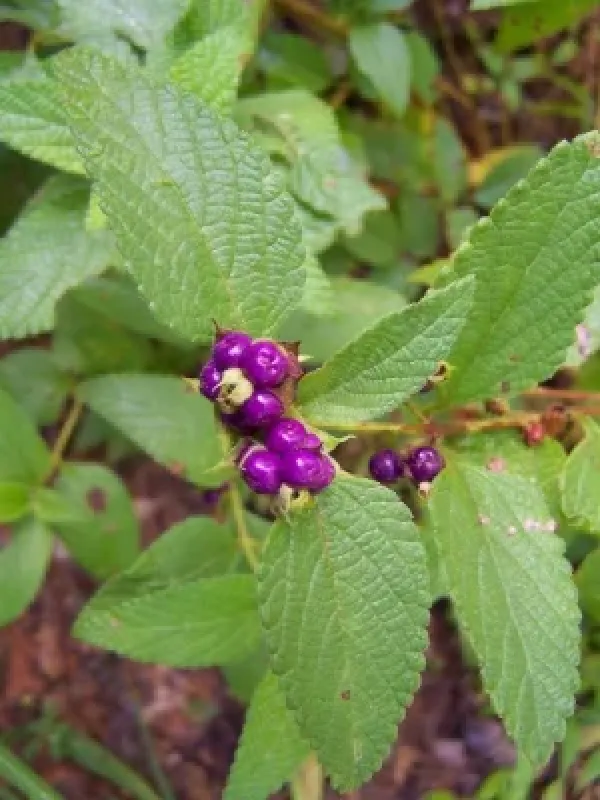
Description
Growing requirements
Lantana rhodesensis is a perennial shrub belonging to the Verbenaceae family, native to the tropical and subtropical regions of Africa. This species is valued for its robust growth habit and its ability to thrive in diverse environmental conditions, provided they meet its basic needs.
The plant performs best in well-drained, fertile soil types, ranging from sandy loams to heavier clay-based soils, provided there is adequate aeration. It exhibits excellent tolerance to heat and moderate drought once established, making it a reliable choice for arid landscapes.
Temperature requirements for optimal development include a range of 20°C to 30°C. In regions where temperatures drop significantly during winter, the plant should be managed as an annual or overwintered indoors, as it lacks frost tolerance.
Full sun exposure is essential for Lantana rhodesensis to maintain its vigorous growth and profuse flowering cycles. Plants grown in shaded areas tend to develop weak, spindly stems and produce significantly fewer blooms throughout the season.
Proper agronomic care involves regular pruning to promote bushiness and manage plant size. During the peak growing period, balanced fertilization helps maintain plant vigor and enhances the vibrant color of the floral clusters.
Main diseases and pests
Lantana rhodesensis is susceptible to several common pests, with spider mites and whiteflies being the most prominent. These insects often thrive when environmental conditions are dry and air circulation is insufficient.
Powdery mildew is the primary fungal disease affecting this species, often triggered by high humidity levels or overcrowding of the plants. It manifests as a white, powdery coating on the foliage, which can hinder photosynthesis.
Management of these threats involves both chemical and cultural practices. Applying systemic insecticides and fungicides, combined with ensuring proper plant spacing and airflow, effectively controls the spread of infestations and infections.
Monitoring the undersides of leaves is critical, as pests such as whiteflies tend to congregate there, making early detection difficult without a systematic inspection routine.
Maintaining high hygiene standards in the planting area, including the removal of dead or diseased tissue, is crucial for preserving the health and longevity of the Lantana rhodesensis crop.